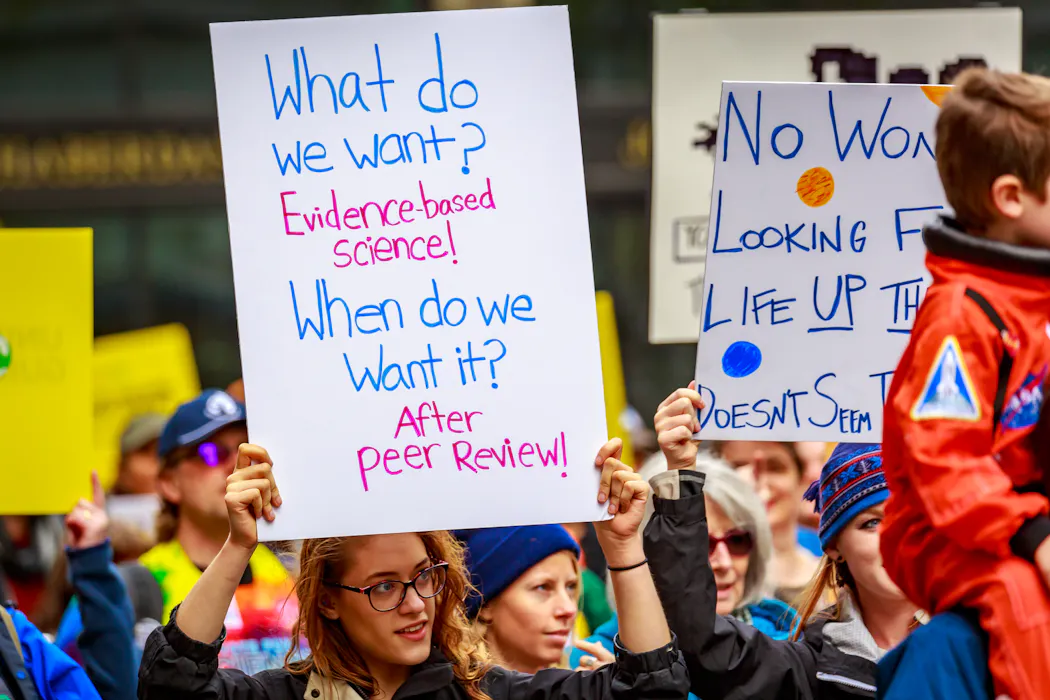
Several outlets discuss how trust in science can coexist with belief in scientific conspiracy theories. The Conversation notes that trust in scientific methods does not automatically prevent acceptance of claims that are framed in “plausibly scientific” language. It argues that people may view certain conspiracy ideas as compatible with science because they are presented as technical, evidence-based, or insider explanations.
Phys.org highlights a broader context: while trust in scientific and research institutions is relatively high compared with other institutions, conspiracy beliefs that involve science-themed claims still spread widely. Examples include ideas that vaccines have hidden effects or that government or other actors are behind “chemtrails.”
Together, the sources point to a pattern in which high trust in science does not guarantee resistance to misinformation. Instead, the way claims are communicated—especially when they use scientific terminology or mimic scientific reasoning—can make conspiracy narratives seem more credible to some people. The discussion focuses on the psychological and informational factors that allow these beliefs to persist even among those who express trust in science.