


South Korea’s weather agency, the Korea Meteorological Administration, announces a major overhaul of the country’s national weather warning system, the first such restructuring in nearly two decades. The update, set to take effect on June 1, replaces parts of the current two-tier advisory structure introduced in 2008. A central change is the creation of a highest-level alert for “extreme heat emergency,” designed to respond to hotter and more persistent summer conditions. Under the new system, an “extreme heat emergency” is triggered when the forecast daily perceived temperature reaches a defined threshold; the reports describe the perceived heat measure as accounting for conditions such as humidity rather than relying only on air temperature. The change also reflects recent years in which extremely hot days, “tropical nights” (when temperatures stay at or above 25°C from late evening to early morning), and intense rainfall have become more common. The government’s stated goal is to improve the timeliness and severity of warnings as weather patterns shift.
South Korea introduces ‘extreme heat emergency’ in new weather alert system
South Korea’s weather agency, the Korea Meteorological Administration, announces a major overhaul of the country’s national weather warning system, the first such restructuring in nearly two decades....

- The Korea Meteorological Administration announces a nationwide weather warning system overhaul, first major restructuring in nearly two decades.
- The new “extreme heat emergency” is added as the top-tier alert level.
- The revised system takes effect on June 1 and moves beyond the two-tier structure introduced in 2008.
- “Extreme heat emergency” is based on forecast daily perceived temperature reaching a set threshold.
- The change is linked to more frequent extreme summer conditions, including tropical nights and heavy rainfall.
For decades, the arrival of summer in South Korea was heralded by the rhythmic hum of cicadas and the predictable onset of monsoon season. But as climate change rewrites the country’s seasonal script, the government is bracing for a new reality. On Wednesday, the Korea Meteorological Administration announced a sweeping overhaul of its national weather warning system, the first major restructuring in nearly two decades. The centrepiece of the plan is the introduction of a top-tier “extreme heat...
3 months agoFor decades, the arrival of summer in Korea was heralded by the rhythmic hum of cicadas and the predictable onset of monsoon season. But as climate change rewrites the country’s seasonal script, the government is bracing for a new reality. The Korea Meteorological Administration announced a sweeping overhaul of its national weather warning system Wednesday, the first major restructuring in nearly two decades. The centerpiece of the plan is the introduction of a top-tier “extreme heat emergency” alert — the result of a decade in which scorching afternoons, sleepless "tropical nights" (a meteorological phenomenon where the temperature remains at or above 25 degrees Celsius, or 77 degrees Fahrenheit, between 6:01 p.m. to 9 a.m. the following day) and record-breaking torrential downpours have moved from anomalies to the new seasonal baseline. Under the new protocol, which takes effect June 1, the weather agency will move beyond the two-tiered advisory system established in 2008. "Extreme heat emergency" will be triggered when the daily perceived temperature is forecast to hit 38 de
3 months ago
SpaceX recovers Starship from the Indian Ocean, shipping it back to Texas
SpaceX recovers its most recently launched Starship from the Indian Ocean about a month after launch and begins moving i...

Trump administration considers trading Yosemite land for a private road access deal
The Trump administration is considering a proposal to transfer a small parcel of Yosemite National Park to a private dev...
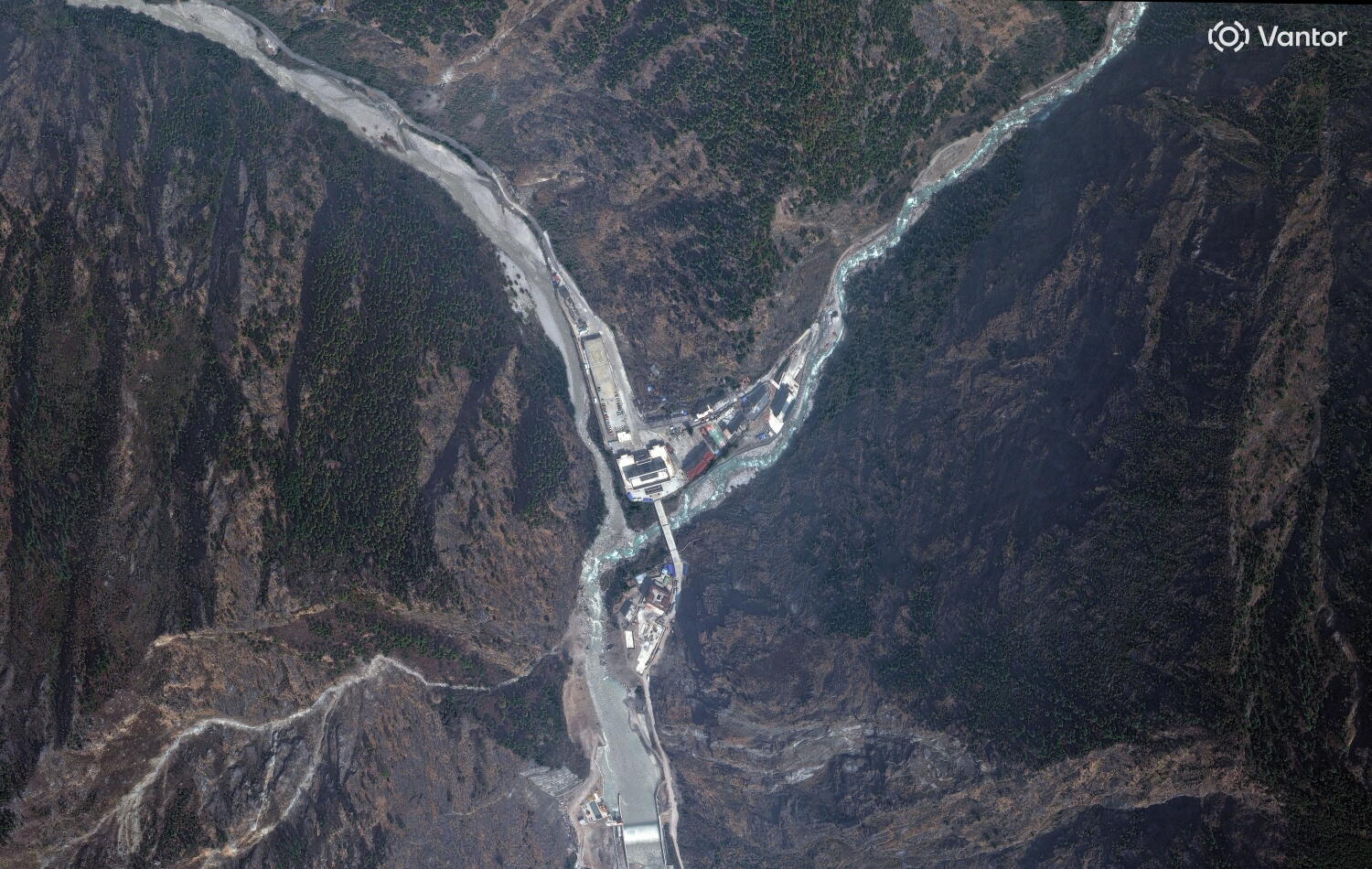
Satellite images reveal devastation from flash floods in Nepal and impacts in China
Satellite images released by multiple outlets show the destruction caused by flash floods affecting Nepal this week. The...