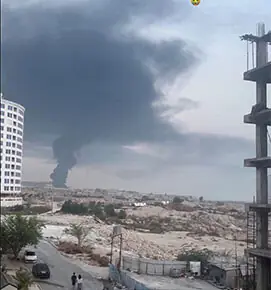
Across reports, the central issue is that most countries still rely on a “take, make and dispose” economic model, which uses natural resources to produce goods, consumes them, and then discards them. This pattern contributes to environmental damage, including climate change, biodiversity loss, and pollution. In contrast, circular economy approaches aim to keep materials and products in use for longer by reusing and recycling them rather than treating waste as an end point.
The sources frame the comparison among BRICS nations—Brazil, Russia, India, China, and South Africa—as a way to assess how these countries are positioned to reuse waste and support more circular systems. While the outlets differ in emphasis, they broadly align that the transition involves learning from differing national practices and capacity to reuse materials. One source explicitly cites the comparative learning potential between BRICS members and other countries, while another focuses on the underlying economic logic and environmental impacts that motivate a shift toward waste reuse.
Overall, the coverage presents waste reuse and circular economy development as shared priorities, measured through how each country maintains products and materials in circulation rather than relying on disposal.