


Bottom trawling is widely used to harvest fish and other marine life by dragging weighted nets along the seafloor. Multiple reports describe the process as indiscriminate: nets sweep up most organisms they encounter, and the gear can destroy or disturb seafloor habitats in the areas where it operates. One outlet notes that bottom trawlers account for about one-quarter of the world’s fisheries catches by weight, raising broader concerns about ecological impacts and potential economic and social effects. Both sources emphasize that basic information about the scale of what is being caught—such as how many fish species are taken and which species are most affected—remains an important unanswered question. The coverage frames bottom trawling as a practice that can remove large amounts of marine life while also altering the seafloor environment, but it highlights a need for clearer data on species composition and catch outcomes to better assess impacts.
Bottom trawling drags nets along seafloor, taking large catches and damaging habitats
Bottom trawling is widely used to harvest fish and other marine life by dragging weighted nets along the seafloor. Multiple reports describe the process as indiscriminate: nets sweep up most organisms...
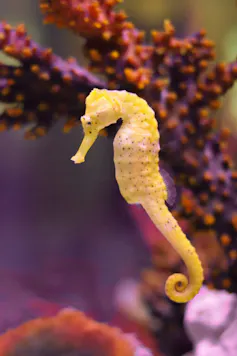
- Bottom trawling uses large weighted nets dragged along the ocean floor.
- It collects most life encountered by the nets, making catches broadly indiscriminate.
- Bottom trawling can damage or destroy seafloor habitats.
- Bottom trawlers account for about one-quarter of global fisheries catches by weight.
- Reports point to gaps in basic data on how many fish species are caught and which ones.
Bottom trawlers extract one-quarter of the world's fisheries catches by weight and raise significant ecological, economic and social concerns. Given that, you'd think there would be an answer to basic questions in fisheries: how many fish species are being caught, and what are they?
3 months agoBottom trawling operates by dragging large, weighted nets across the ocean floor, sweeping up most of the life they encounter along the way and destroying habitats.
3 months ago
Nancy Grace Roman Telescope nears launch to study dark energy, exoplanets and cosmic structure
NASA’s Nancy Grace Roman Space Telescope is scheduled to launch from Florida on Sunday, Aug. 30, beginning a mission to...
Trump administration weighs land swap giving Yosemite parcel to connect adjacent development
The Trump administration is considering a proposal to transfer a small parcel inside Yosemite National Park to a private...
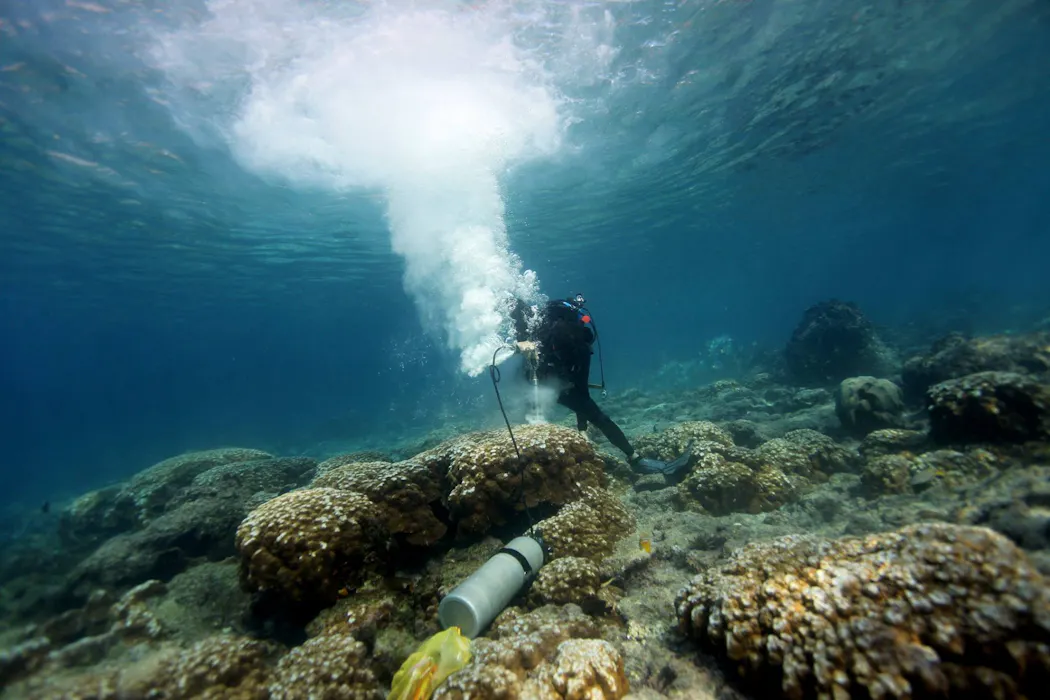
Galápagos coral records suggest El Niño events have become stronger with climate warming
Scientists analyzing fossil and living corals from the Galápagos Islands report that recent El Niño events are more extr...