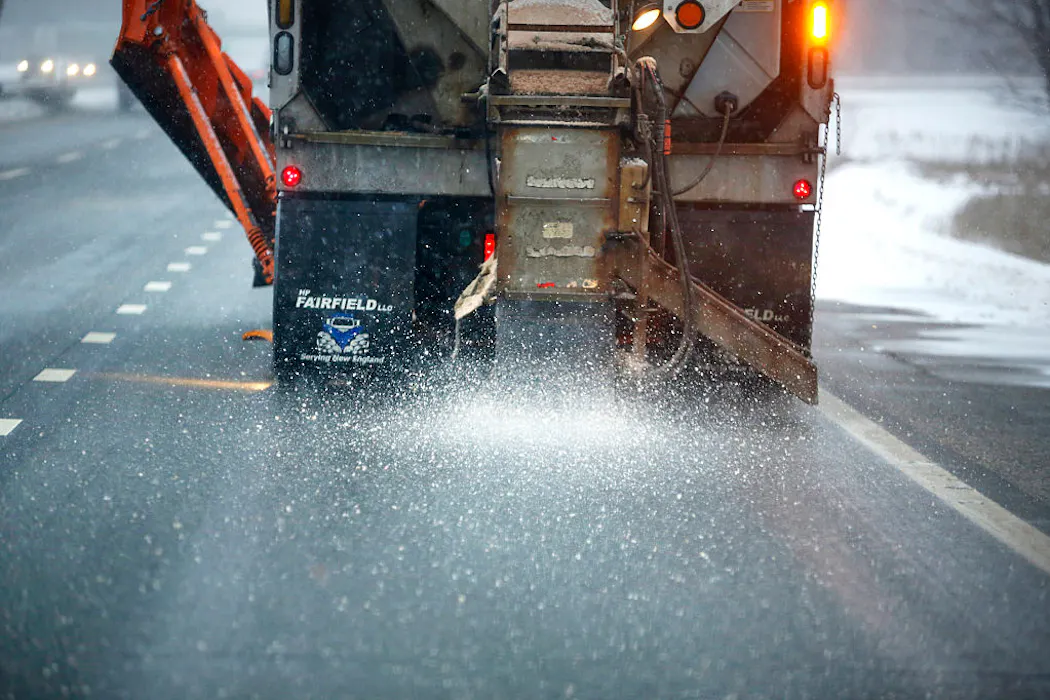
Multiple reports describe how wastewater (“brine”) from Pennsylvania oil and gas operations is being used to coat rural roads, drawing attention to possible contamination risks. The wastewater is characterized as salty and containing naturally occurring radioactive materials, including radium. Researchers explain that the practice is intended to suppress dust on unpaved roads, but the material does not eliminate the underlying disposal issue: it can leave radioactive constituents behind and create uncertainty about their eventual location and persistence.
While the coverage notes that residents are generally not drinking the brine directly, concerns focus on what happens after application. Sources highlight that radium may remain on road surfaces, wash off during rain, or migrate into nearby soils and drainage systems, yet the pathways and long-term distribution are not fully documented. The discussion also points to gaps in how waste is tracked after use on roads and the need for clearer information about where radioactive elements go over time. Overall, the reports frame the issue as an environmental and public-safety question tied to how oil-and-gas wastewater is handled and monitored.