


Several outlets explain that wildfire smoke can harm people’s health even when they are not directly affected by flames. The main concern is air pollution from smoke, which includes fine particulate matter and other irritants that can penetrate deep into the lungs and worsen breathing problems. Health impacts can include coughing, throat and eye irritation, shortness of breath, and reduced lung function. People with asthma, chronic lung disease such as chronic obstructive pulmonary disease (COPD), and those with heart conditions are described as being at higher risk of complications because smoke can aggravate underlying illnesses. Respiratory infections may also be more likely in susceptible individuals, and prolonged exposure can increase the chance of emergency health events. Children, older adults, pregnant people, and anyone working outdoors for long periods are also highlighted as groups that may experience greater effects due to higher vulnerability or longer exposure. The guidance across sources emphasizes limiting time outdoors during smoke episodes and following local public health advice when air quality worsens.
Health risks of wildfire smoke as large fires affect France and Spain
Several outlets explain that wildfire smoke can harm people’s health even when they are not directly affected by flames. The main concern is air pollution from smoke, which includes fine particulate m...
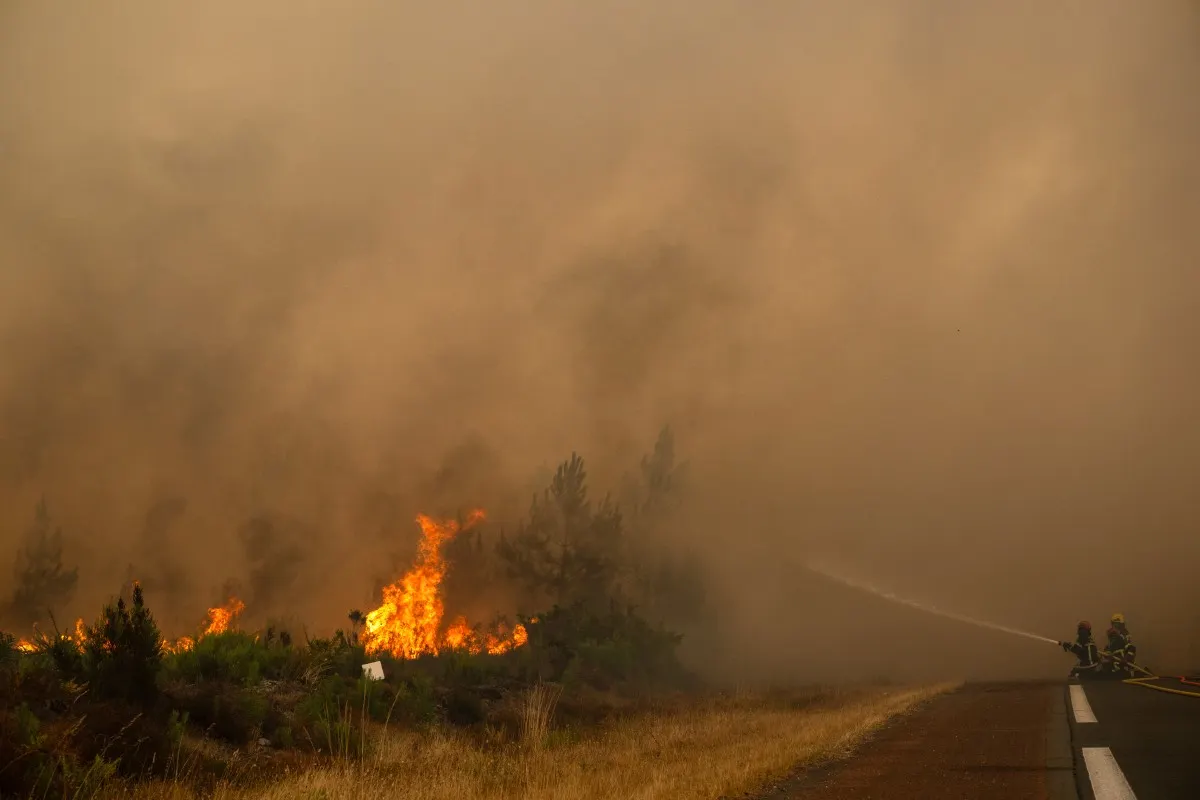
- Wildfire smoke contains fine particles and irritants that can worsen breathing and overall health.
- Common short-term effects include coughing and irritation of the eyes and throat.
- People with asthma, COPD or other chronic lung problems face higher health risks.
- People with heart conditions are also at increased risk when exposed to smoke.
- Children, older adults, and outdoor workers are generally more vulnerable during smoke events.
What dangers does smoke from wildfires pose? Who is most at risk? Here are some answers to health questions often asked, especially now with large wildfires raging in France and Spain.
3 hours agoWhat dangers does smoke from wildfires pose? Who is most at risk? Here are some answers to health questions often asked, especially now with large wildfires raging in France and Spain.
3 hours ago
Hong Kong launches dog-friendly restaurant scheme after decades-long ban
Hong Kong relaxes a decades-old rule by allowing dogs into approved restaurants for the first time in decades, ending a...

Jasmin Bhasin Says Her Marriage Plans Are Private Amid Ongoing Questions From Public
Actress Jasmin Bhasin says her marriage plans are “nobody’s business” as she continues to face repeated questions about...

Rays’ Ian Seymour Shows Effectiveness in Starting and Bulk Pitching Roles
Tampa Bay Rays left-hander Ian Seymour is described as effective when used in both starting and “bulk” relief roles. Mul...