


Samsung Electronics is equipping its newly unveiled Galaxy Z8 foldable smartphone series with silicon-carbon anode batteries, citing improvements in energy density without increasing battery volume. At a press briefing during Galaxy Unpacked 2026 in London, Samsung Executive Vice President at the Mobile R&D Office Moon Sung-hoon said the Galaxy Z8 series uses silicon-carbon for the first time. Samsung describes silicon-carbon anodes as offering higher energy density than traditional graphite-based anodes, allowing more capacity within the same internal space. For the Galaxy Z Fold8 Ultra, Samsung says the battery capacity reaches 5,000 milliampere-hours, about 14% higher than the prior model, while the phone keeps a record-thin 4.1-millimeter profile. Samsung also indicates it is evaluating whether to extend the technology beyond foldables: the company is considering applying silicon-carbon batteries to the Galaxy S27 series, and additional coverage notes Samsung’s hints that the battery update may appear on more Galaxy phones. Samsung states it adopted the materials only after meeting its safety requirements, acknowledging that silicon-based approaches can have structural drawbacks and that earlier usage by Chinese smartphone makers preceded Samsung’s approval.
Samsung introduces silicon-carbon batteries in Galaxy Z8, considers wider use in Galaxy S27
Samsung Electronics is equipping its newly unveiled Galaxy Z8 foldable smartphone series with silicon-carbon anode batteries, citing improvements in energy density without increasing battery volume. A...
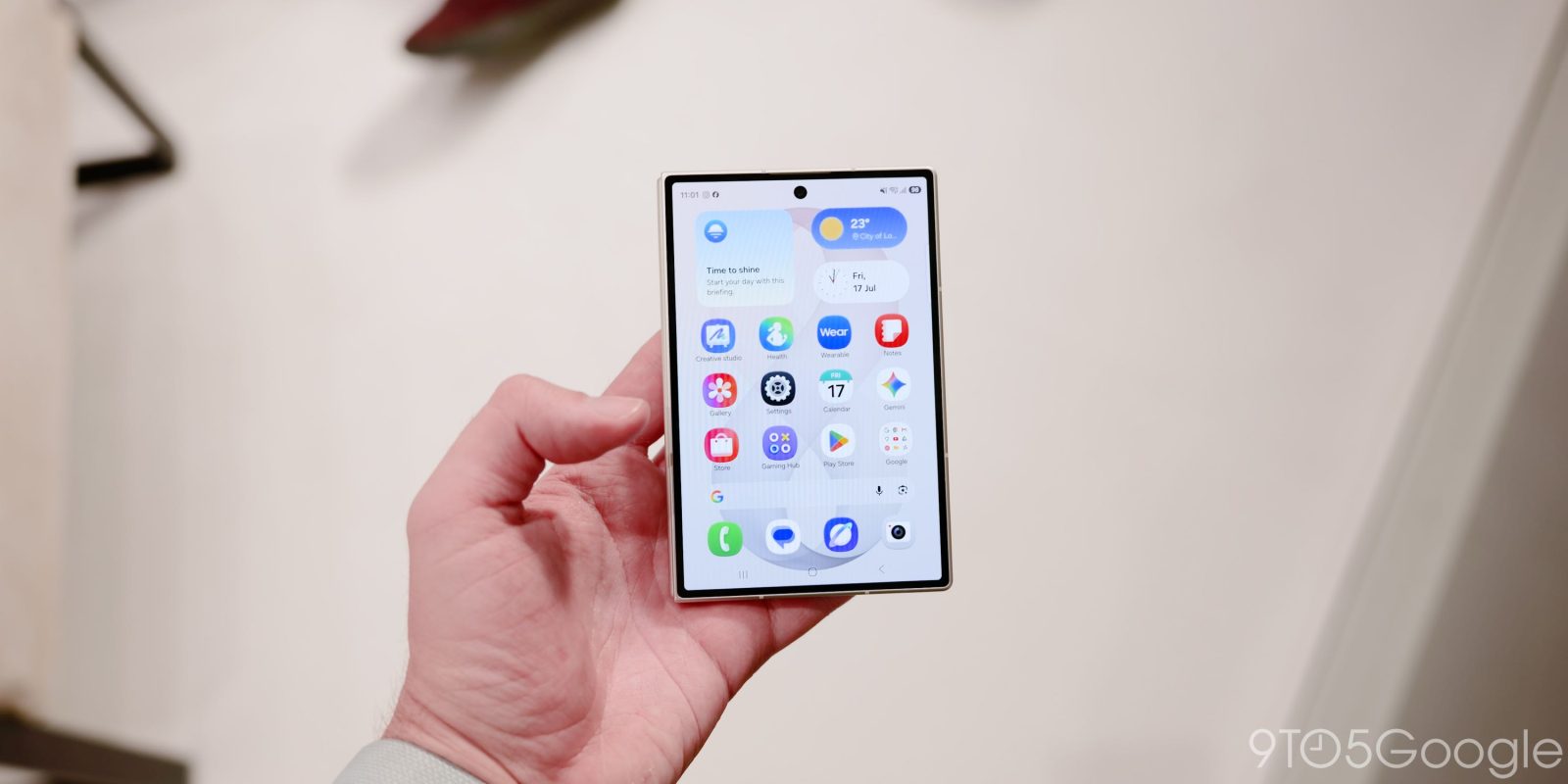
- Samsung introduces silicon-carbon anode batteries in the Galaxy Z8 foldable series.
- Samsung says silicon-carbon anodes raise energy density compared with graphite anodes.
- Galaxy Z Fold8 Ultra is rated at a 5,000 mAh battery pack, about 14% higher than its predecessor.
- Samsung states the Galaxy Z Fold8 Ultra remains 4.1 mm thick despite the larger battery.
- Samsung indicates it is considering expanding silicon-carbon batteries to the Galaxy S27 series and only adopted the tech after meeting its safety standards.
One of the big updates in Samsung’s Galaxy Z Fold 8 series is the debut of silicon-carbon batteries and, in an interview, Samsung has hinted at what might be next for the updated battery tech.
4 hours agoLONDON — Samsung Electronics has adopted silicon-carbon anode batteries for the Galaxy Z8 foldable smartphone series unveiled at the Galaxy Unpacked 2026 event here and is considering expanding the technology to the Galaxy S27 series. During a press briefing on Thursday, Samsung Electronics Executive Vice President at Mobile R&D Office Moon Sung-hoon said the Galaxy Z8 series for the first time used silicon-carbon battery to improve energy density within the same amount of space. Silicon-carbon anodes significantly increase energy density compared to conventional batteries using graphite anodes. By adopting silicon-carbon anode, the Galaxy Z Fold8 Ultra is equipped with a 5,000 milliampere-hour pack, 14 percent larger than that of its predecessor, while maintaining a record-thin profile of 4.1 millimeters. Chinese smartphone makers have been using silicon-carbon for their smartphone batteries, but Moon said Samsung decided to adopt the technology only after it met the company's stringent safety standards, given the material's structural drawbacks. "Silicon batteries have the advantage
9 hours agoLONDON — Samsung Electronics has adopted silicon-carbon anode batteries for the Galaxy Z8 foldable smartphone series unveiled at the Galaxy Unpacked 2026 event here and is considering expanding the technology to the Galaxy S27 series. During a press briefing on Thursday, Samsung Electronics Executive Vice President at Mobile R&D Office Moon Sung-hoon said the Galaxy Z8 series for the first time used silicon carbon battery to improve energy density within the same amount of space. Silicon carbon anodes significantly increase energy density compared to conventional batteries using graphite anodes. By adopting silicon carbon anode, the Galaxy Z Fold8 Ultra is equipped with a 5,000 milliampere-hour pack, 14 percent larger than that of its predecessor, while maintaining a record-thin profile of 4.1 millimeters. Chinese smartphone makers have been using silicon carbon for their smartphone batteries, but Moon said Samsung decided to adopt the technology only after it met the company's stringent safety standards, given the material's structural drawbacks. "Silicon batteries have the advantage
12 hours ago
Nvidia in talks to guarantee $250 billion financing for OpenAI data center hub
Nvidia is reportedly in discussions to provide a financing guarantee of about $250 billion to help OpenAI lease computin...

HSBC plans major Singapore hiring drive for AI and wealth roles
HSBC Holdings says it will expand staffing at its Singapore base, including hiring more than 100 artificial intelligence...

AI coding boosts productivity but shifts software work toward review, governance, and risk
Multiple outlets describe a common pattern: AI tools can generate code and accelerate early development steps, but softw...