


In separate opinion pieces, medical students argue that the cost of training in Australia can influence who enters medicine and what types of roles future doctors can access. The writers say financial barriers are not only limiting eligibility to become a doctor, but also affecting the range of professional pathways people can afford once they begin training. They contend that students from families with greater financial resources may be better placed to meet expenses associated with medical education, including living costs and study-related requirements, while others may face constraints that narrow their options. The articles frame the issue as one of selection and opportunity: when affordability determines who can persist through training, the medical workforce may become less representative of the broader community. While the pieces focus on personal perspective rather than new research or policy announcements, they highlight concern that financial pressures can shape not just entry into medicine, but also the professional futures of students who are able to complete training. The authors call attention to the need to examine how education funding, student support, and related costs affect access to medical careers.
Medical student warns rising costs may shape who can become a doctor
In separate opinion pieces, medical students argue that the cost of training in Australia can influence who enters medicine and what types of roles future doctors can access. The writers say financial...
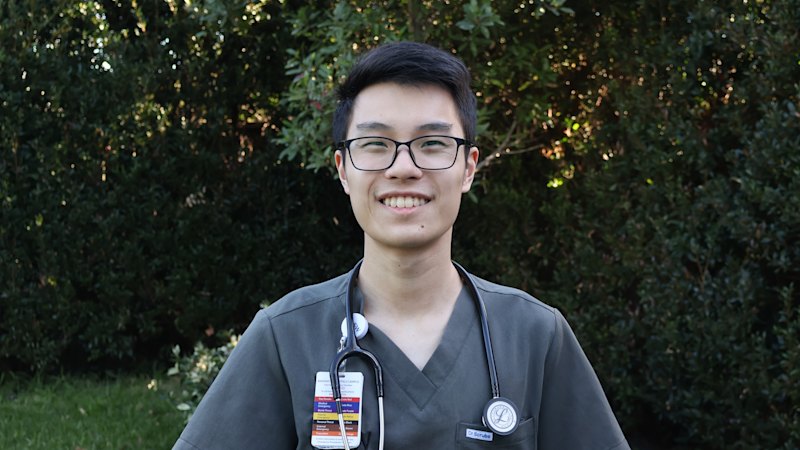
- The articles are written from the perspective of current medical students.
- They argue that financial costs affect who can enter medical training.
- They say affordability constraints can also limit the kinds of roles or pathways future doctors can pursue.
- The writers contend that this can lead to a medical workforce that is less representative.
- The pieces raise concerns without presenting specific new policy or data in the provided text.
Not only are we filtering who becomes a doctor, we are shaping what kind of health professional they can afford to become.
3 hours agoNot only are we filtering who becomes a doctor, we are shaping what kind of health professional they can afford to become.
3 hours agoNot only are we filtering who becomes a doctor, we are shaping what kind of health professional they can afford to become.
3 hours ago
Articles discuss ‘effort-gap’ relationships and communication in modern dating
Across Brisbane Times, The Age, and the Sydney Morning Herald, the story focuses on the idea of an “effort-gap relations...

12-year-old dies after falling from derelict barn roof in County Durham
A 12-year-old boy dies after falling from the roof of a derelict barn while he is with friends in Woodhouses near Bishop...
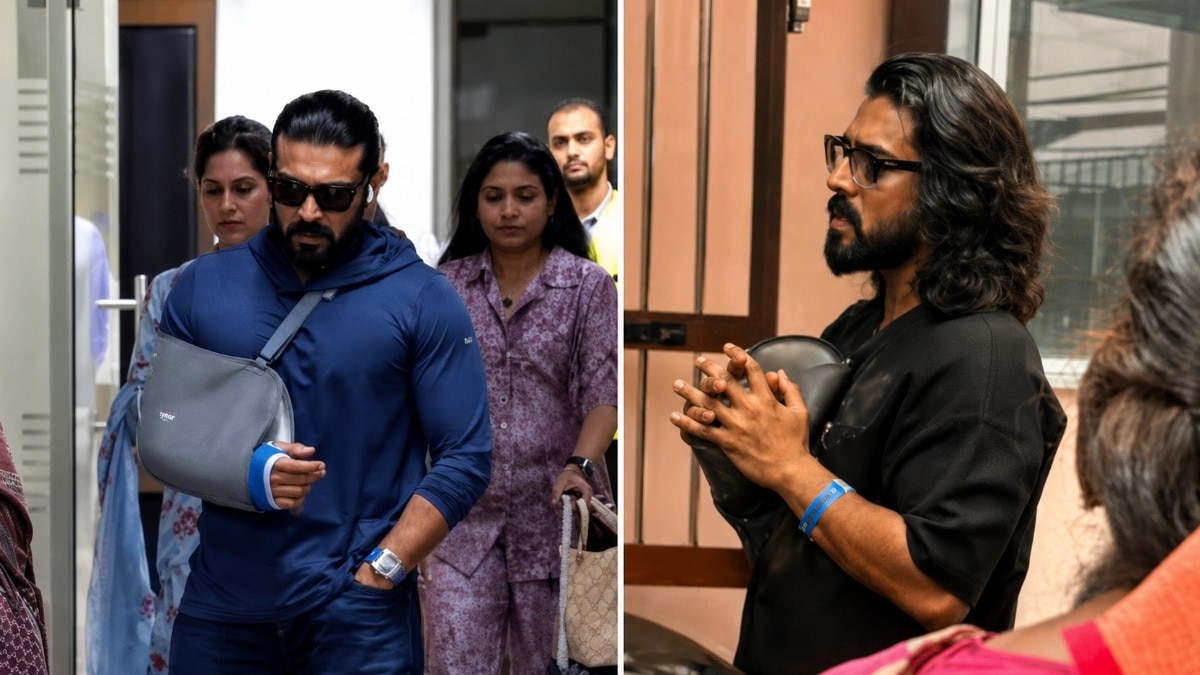
Ram Charan undergoes wrist surgery in Coimbatore after Peddi shooting injury
Actor Ram Charan undergoes wrist surgery in Coimbatore after injuring his wrist while filming for his upcoming release *...