


Reports describe how invasive rats on seabird islands in the Indian Ocean affect nearby coral reef ecosystems. The rats prey on seabirds and sharply reduce seabird populations. Seabirds normally contribute nutrients to surrounding reefs through guano, which fertilizes the water and supports marine productivity. When rat predation lowers bird numbers, that nutrient input declines, and the reef community reorganizes. Sources say the shift changes where marine organisms thrive: small reef-associated fish are reported to do well in nutrient-enriched areas, while invertebrates become more successful in comparatively less fertile zones. Overall, the restructuring of nutrients and habitats alters reef food-web dynamics and changes the relative success of different groups. The accounts emphasize that removing invasive rats is associated with the possibility of restoring seabird colonies and their nutrient contributions, suggesting a direct link between terrestrial invasive species management and marine ecosystem health. The ecological outcome is presented as a clear example of how island impacts can propagate into adjacent marine systems.
Invasive rats reduce seabirds and reshape coral reef food webs on Indian Ocean islands
Reports describe how invasive rats on seabird islands in the Indian Ocean affect nearby coral reef ecosystems. The rats prey on seabirds and sharply reduce seabird populations. Seabirds normally contr...
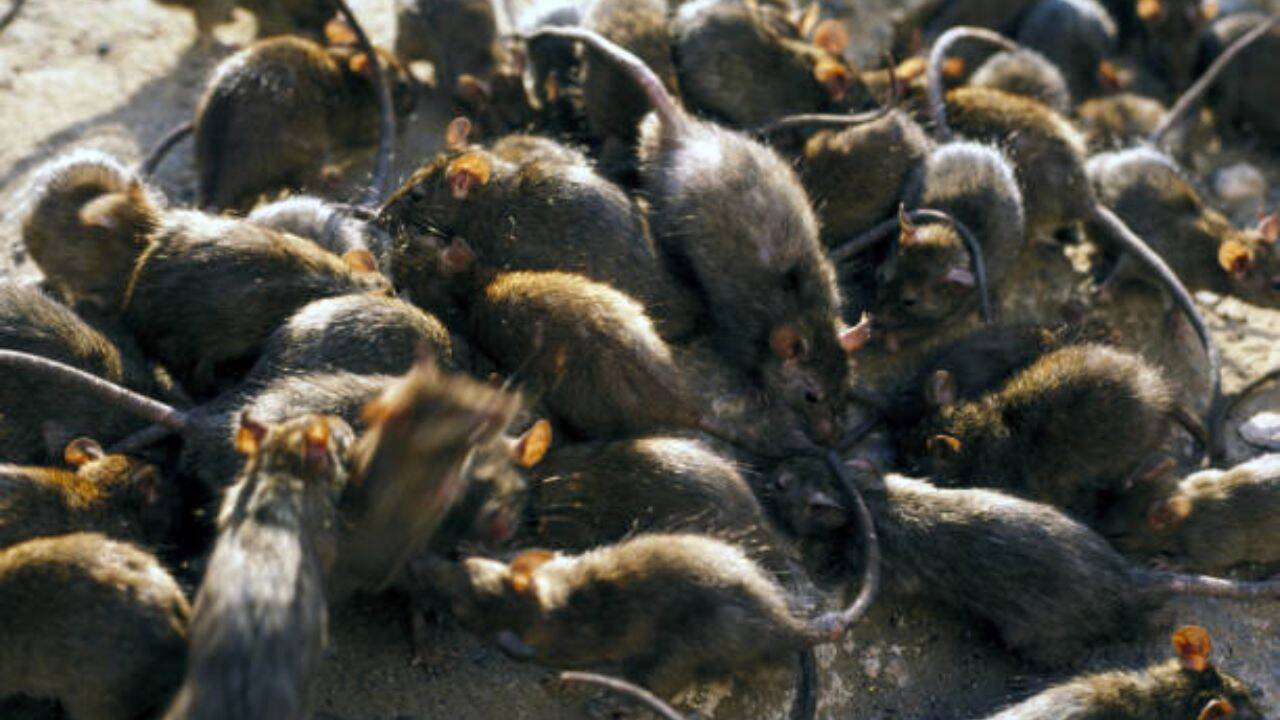
- Invasive rats on seabird islands in the Indian Ocean reduce seabird populations through predation.
- Seabird guano normally provides nutrients that support productivity in nearby coral reef ecosystems.
- Rat-induced loss of seabirds reduces nutrient input to reefs, changing local conditions.
- Marine community composition shifts, with different groups (including small reef fish and invertebrates) benefiting in different nutrient conditions.
- Restoring seabird colonies by removing invasive rats is described as a potential way to help reverse nutrient and food-web changes.
Tropical islands are facing a surprising ecological shift as invasive rats disrupt the balance of coral reef ecosystems. By decimating seabird numbers, these rats cut down on essential nutrient contributions to the reefs. As a result, tiny cryptobenthic fish flourish in nutrient-rich spots, while invertebrates find success in less fertile regions, reshaping the food web and highlighting the vulnerable nature of these priceless underwater habitats.
1 hour agoInvasive rats on remote islands significantly reduce seabird populations, impacting nearby coral reefs. Seabird guano normally fertilizes reef ecosystems, supporting vital marine life. Rat predation disrupts this natural nutrient pathway, altering reef food webs. Removing rats can help restore seabird colonies and their essential nutrient contributions. This highlights the crucial link between island and ocean health for conservation.
19 hours ago
The Age and The Sydney Morning Herald lead Kennedy Awards journalism nominations
The Age and The Sydney Morning Herald receive leading recognition in this year’s Kennedy Awards for Excellence in Journa...

Studies find human-caused climate change increases Spain and France wildfire risk
A set of rapid and related studies by the World Weather Attribution (WWA) network concludes that human-caused climate ch...

Australian music journalist Glenn A. Baker dies aged 74
Australian rock music journalist and broadcaster Glenn A. Baker dies aged 74, multiple Australian outlets report. ABC Au...