


In a commentary piece, Matt Ridley discusses the factors behind wildfires in Britain and argues that while hot, dry spells increase the likelihood of fires, the broader global trend does not straightforwardly support claims that wildfires are becoming more frequent as the climate warms. The article acknowledges that weather conditions—particularly high heat and low rainfall—make wildfire outbreaks more likely. However, it contends that when looking across the world, wildfire occurrence appears to be declining rather than increasing, which it says is “awkward” for arguments attributing rising wildfire frequency primarily to climate change. The piece therefore frames wildfire risk as strongly influenced by short-term meteorological conditions, while disputing the idea that warming alone is driving an overall rise in wildfire frequency globally. The outlet presents this as a challenge to climate-focused explanations that emphasize increasing wildfire frequency.
Matt Ridley argues wildfire risk is driven by weather more than climate change trends
In a commentary piece, Matt Ridley discusses the factors behind wildfires in Britain and argues that while hot, dry spells increase the likelihood of fires, the broader global trend does not straightf...

- Hot, dry spells increase the likelihood of wildfires.
- The commentary argues short-term weather is a major driver of wildfire risk.
- It claims wildfire frequency worldwide is declining rather than rising as the globe warms.
- The piece contrasts weather-based drivers with explanations that attribute wildfire trends mainly to climate change.
Hot, dry spells undoubtedly make fires more likely but, awkwardly for those blaming climate change, wildfires are getting less frequent worldwide, not more, as the globe warms.
4 hours agoHot, dry spells undoubtedly make fires more likely but, awkwardly for those blaming climate change, wildfires are getting less frequent worldwide, not more, as the globe warms.
4 hours ago
Japan earthquake death toll in Kumamoto rises to 34
The death toll from a powerful earthquake that struck southwestern Japan earlier this week rises to 34, according to the...
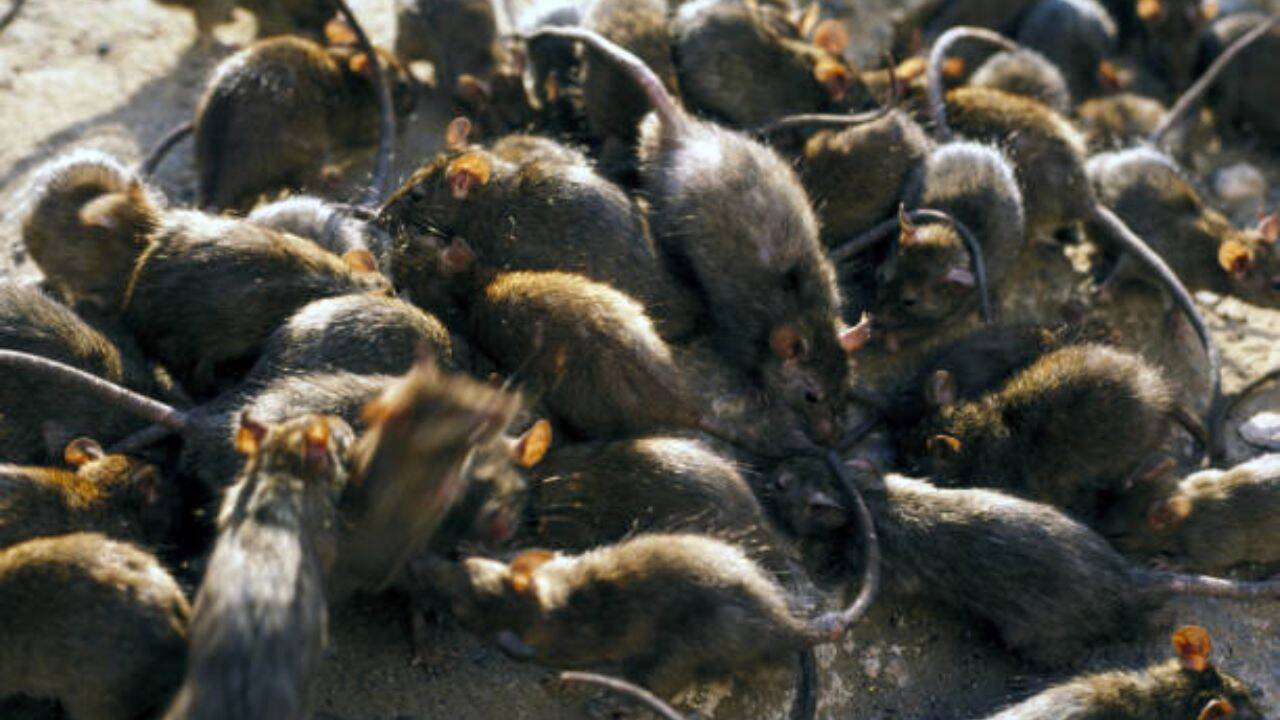
Invasive rats reduce seabirds and reshape coral reef food webs on Indian Ocean islands
Reports describe how invasive rats on seabird islands in the Indian Ocean affect nearby coral reef ecosystems. The rats...

Western Cape’s new police commissioner urged to prioritise GBV and community trust
Lieutenant-General Sizakhele William Dyantyi is taking up the role of Western Cape Police Commissioner, and is being urg...