


Researchers studying St. Mary’s City, Maryland—a founding English settlement established in 1634—report that ancient DNA from colonists helps connect early settlers to present-day descendants. Across outlets’ coverage, the project uses a combination of genetic data, archaeology, and genealogy to address gaps in historical records about the colony’s first inhabitants. The study analyzes DNA from 49 individuals associated with 17th-century St. Mary’s City. According to the reporting, the genetic results identify connections to more than 1.3 million living people who share ancestry with members of the founding population. The research teams include investigators affiliated with 23andMe Research Institute, Harvard University, and the Smithsonian Institution. One outlet also reports that the findings may help identify who served as the colony’s second governor, though this is presented as a possible identification rather than a definitive historical conclusion. Overall, the work demonstrates how linking ancient DNA with genealogical matching can reconstruct relationships and migration patterns among some of America’s earliest English colonists.
Ancient DNA study links millions of living relatives to 17th-century Maryland settlers at St. Mary’s City
Researchers studying St. Mary’s City, Maryland—a founding English settlement established in 1634—report that ancient DNA from colonists helps connect early settlers to present-day descendants. Across...
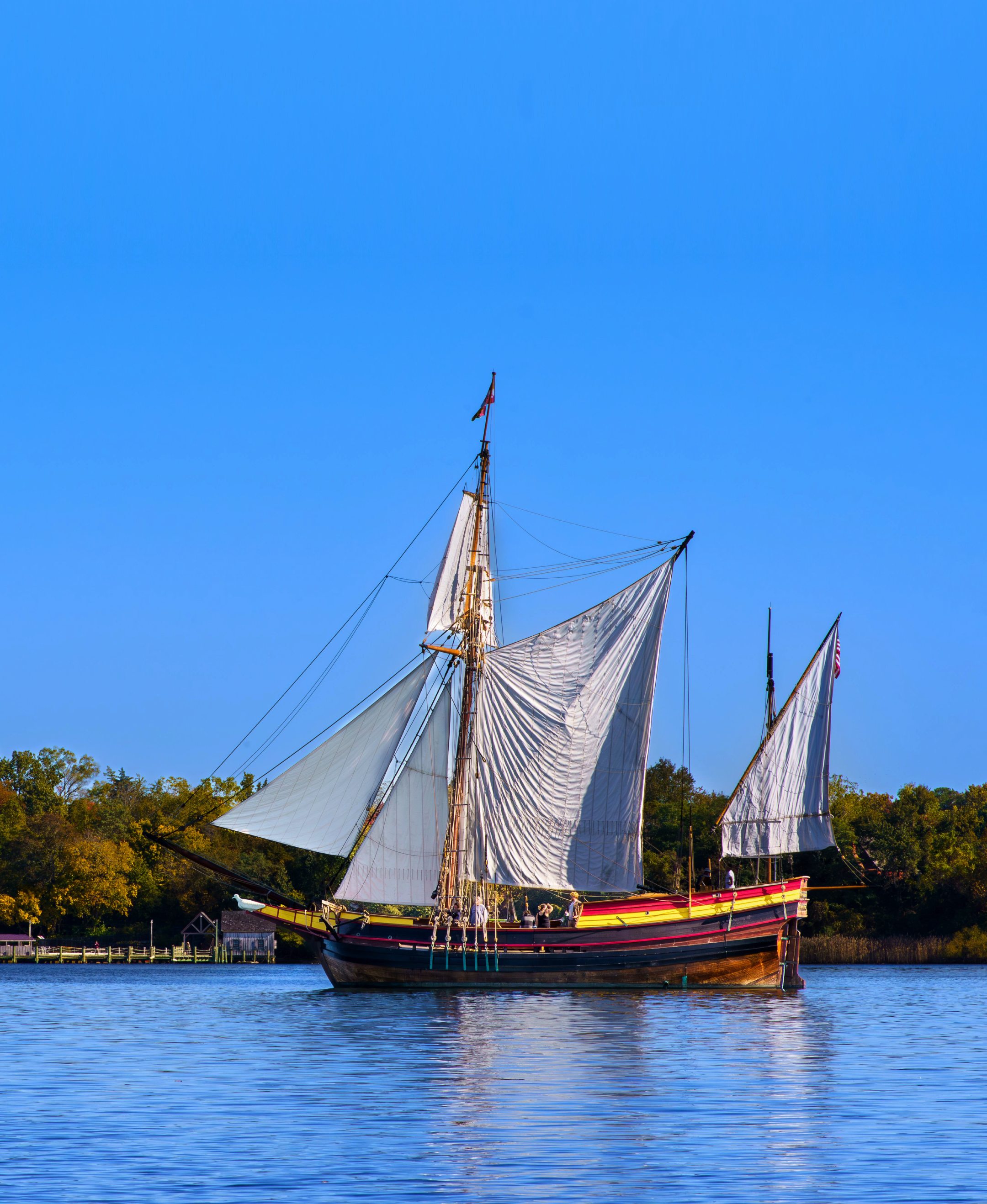
- A study examines ancient DNA from 17th-century St. Mary’s City colonists, a founding English settlement founded in 1634.
- Researchers analyze genetic data from 49 individuals linked to St. Mary’s City.
- The findings link more than 1.3 million living people to the historic founder population.
- The project combines ancient DNA, archaeology, and genealogy to fill gaps in written records.
- Researchers involved include 23andMe Research Institute, Harvard University, and the Smithsonian Institution.
As the United States prepares to mark its 250th anniversary, researchers from 23andMe Research Institute, Harvard University, and the Smithsonian Institution have teamed up to study one of the country's founding settlements: St. Mary's City, Maryland. Established in 1634, St. Mary's City was the first English settlement in the colony of Maryland. Despite existing written records and the ability of many present-day Americans to trace their ancestry to the historic city, many gaps remain in our knowledge of this early founder population.
3 months agoAnalysis of Historic St. Mary’s City highlights the power of combining ancient DNA, archaeology, and genealogy to restore lost identities and track the migrations of America’s earliest English colonists and their descendants At a Glance: DNA analysis of 49 colonists from 17th-century St. Mary’s City reveals over 1.3 million living genetic relatives of Maryland’s founding... The post Historical DNA connects 1.3 million living relatives to 17th-century Maryland settlers and may have identified the colony’s second governor appeared first on Montreal Gazette.
3 months ago
Glacier collapse likely triggered deadly floods across Nepal and Tibet
A large chunk of glacier ice falls from Nepal’s mountains near the Tibet border, and scientists say it triggers a cascad...

Minnesota AG sues Texas governor to force extradition of ICE agent for trial
Minnesota Attorney General Keith Ellison sues Texas Gov. Greg Abbott to compel extradition of Immigration and Customs En...

Families search Kathmandu hospitals for missing relatives after Nepal disaster
Families in Kathmandu search hospitals for loved ones after Nepal’s deadliest natural disaster since the 2015 earthquake...