


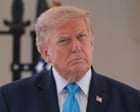
Multiple outlets report that Donald Trump’s administration is increasing tariffs while citing forced labor as the justification. Joseph Stiglitz, writing for The Guardian, argues that the forced-labor rationale functions as a pretext. He contends that the administration’s approach resembles earlier tariff actions, including patterns in which tariff levels track trade balances rather than labor practices. Stiglitz also says the administration’s tariff changes conflict with international trade commitments and potentially with U.S. federal law, noting that Trump previously signed agreements that constrain such actions.
Real Clear Politics echoes the same critique, describing the forced-labor concern as a “ruse” and framing the tariffs as a way for the United States to capture a larger share of global trade. While both pieces acknowledge that forced labor is a serious issue and that the goal of addressing it is widely supported, they question whether the current tariff policy is an effective or genuine method for doing so. Overall, the reporting centers on allegations that the tariff policy’s stated objective and its practical design do not align.


