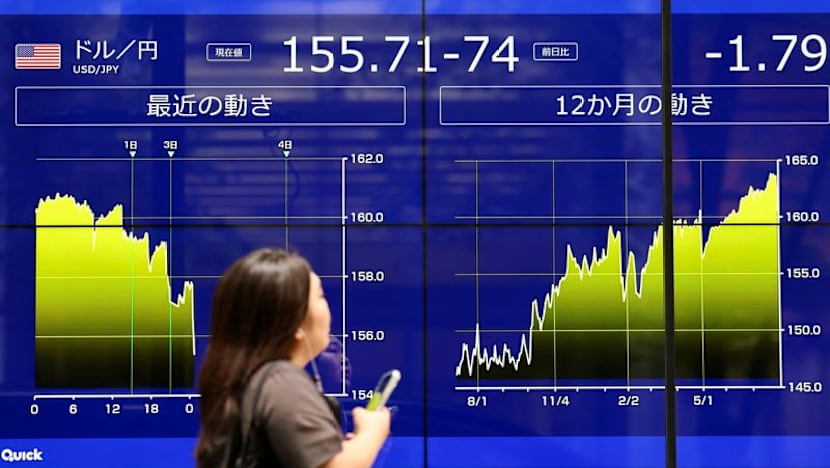
Multiple analyses describe how a new US–Japan effort is designed to discourage speculative activity in the yen and strengthen currency stability. The reporting outlines that the initiative is built around coordination between US and Japanese authorities and that its timing reflects concerns about disorderly currency moves. The analyses attribute the policy approach to a shared view that excessive short-term trading can amplify volatility, and they frame the pact as a mechanism to increase market discipline and reduce incentives for leveraged speculation.
While details are described at a high level, the sources generally emphasize the joint nature of the response and the focus on communication and expectations management with the market. The analyses also connect the initiative to broader concerns about foreign-exchange conditions and policy frameworks that can influence exchange-rate dynamics. Across outlets, the central theme is that the pact is intended to make speculative positions less profitable and to support smoother yen trading. The coverage does not present evidence of a specific trading event, but instead explains the rationale and coordination process behind the agreement and how it aims to affect market behavior going forward.