


In southeastern Madagascar, some farmland areas left fallow are naturally regenerating, rebuilding tree cover over time. However, researchers report that forest recovery is incomplete because native animals that previously used these habitats have not returned in expected numbers. Across regenerating forest patches, invasive rats are identified as a major barrier to the return of small mammals, including species that play important roles in forest ecosystems. The study links the rats’ presence to reduced movement and recovery of native fauna, which in turn affects how regenerating forests function compared with undisturbed forest. While tree growth occurs as sites revert to woodland, the recolonization of animals appears to lag, leaving recovering areas without full ecological community assembly. The findings suggest that successful habitat restoration in Madagascar requires more than allowing vegetation to regrow; it also depends on controlling invasive species that prevent native wildlife from reestablishing themselves. The research emphasizes that restoring ecosystem function involves both habitat structure and the animals that disperse, feed, and interact within the forest.
Invasive rats hinder small mammals from returning to Madagascar’s regenerating forests
In southeastern Madagascar, some farmland areas left fallow are naturally regenerating, rebuilding tree cover over time. However, researchers report that forest recovery is incomplete because native a...

- In southeastern Madagascar, forest patches left fallow after farming are regenerating naturally.
- Researchers find that native small mammals and other fauna are rare in the regenerating forests.
- Invasive rats are reported as a key factor preventing native animals from returning.
- The study indicates tree regrowth alone does not restore full ecosystem function without wildlife recolonization.
In southeastern Madagascar, patches of forest that were once cut down to make way for farms are slowly regenerating naturally after being left to lie fallow. But recovering a native forest needs more than just gaining tree cover. The animals that once lived in these forests also need to make their way back so that the forest can function the way it used to.
1 hour agoLemurs and other native animals are rare in recovering forests.
5 hours ago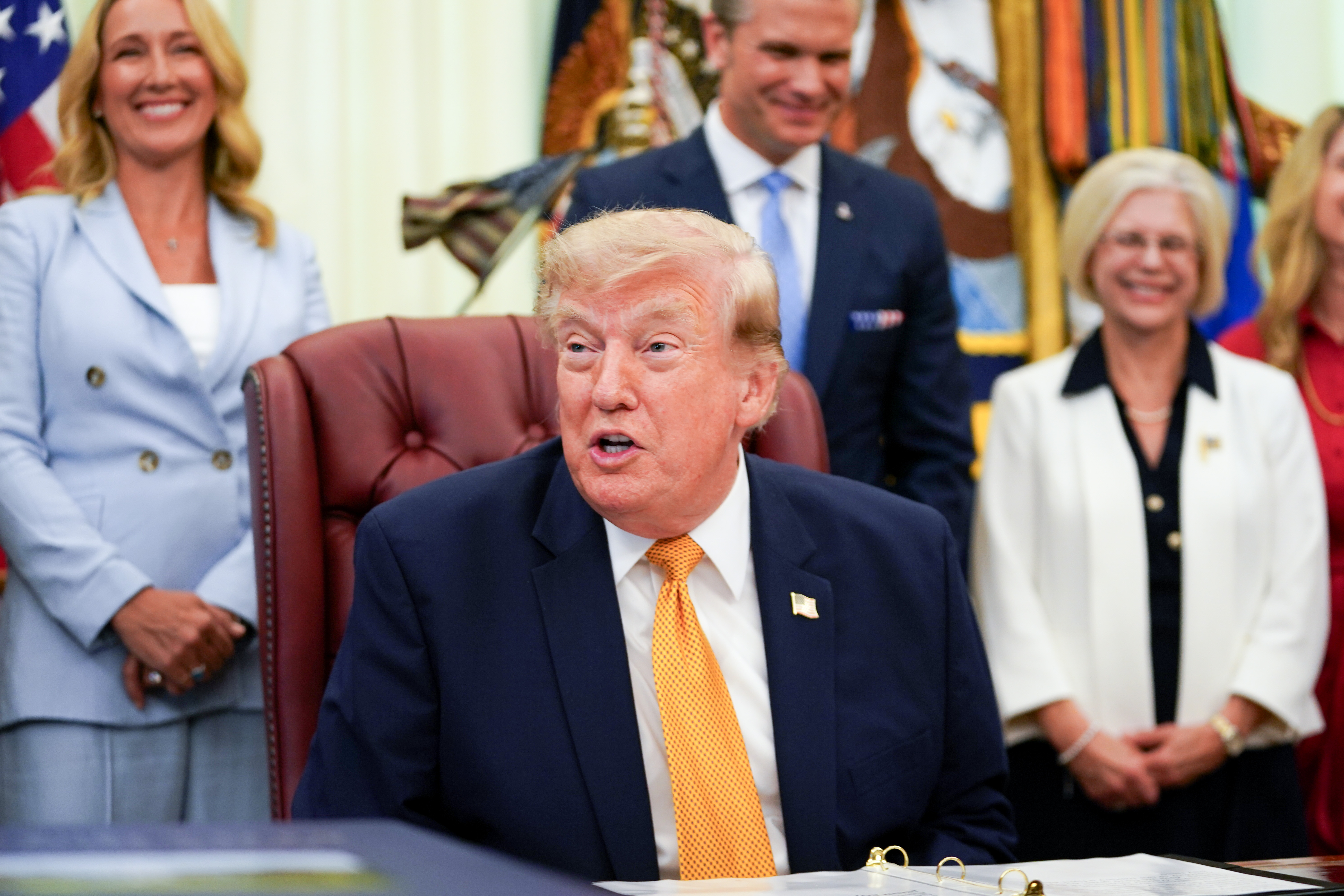
Trump warns Iran of “decapitation” if no deal is reached
U.S. President Donald Trump says Iran faces “decapitation” if it does not agree to a pact aimed at ending the conflict b...

Yobe Hisbah halts planned colour festival in Damaturu
Yobe State Hisbah Board operatives in Damaturu stop a planned “Colour Festival” organized by some youths, according to r...

UEFA threatens FIFA and Gianni Infantino with legal action over World Cup sell-off plan
UEFA has warned FIFA and Gianni Infantino that it is considering legal action after Infantino’s proposal to privatise or...