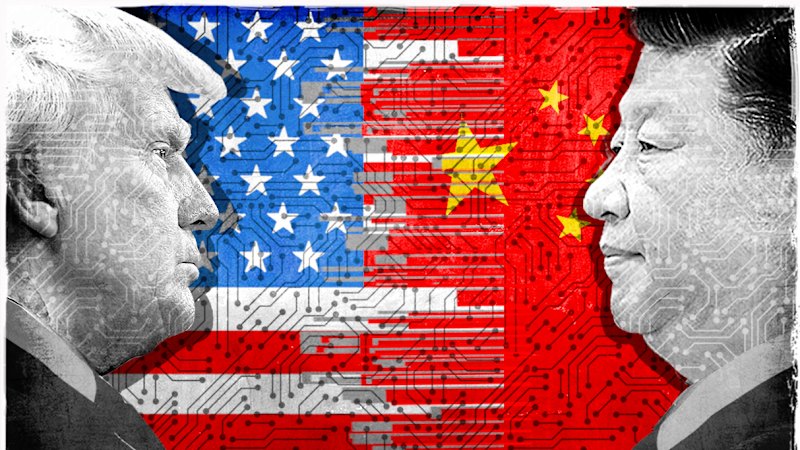
Multiple outlets frame current AI competition between the United States and China as a “new battleground,” focused on influence, capability, and long-term positioning. They report that the US is ahead in aspects of AI development and deployment, but they describe China’s approach as oriented toward sustained progress over time. The common view across the sources is that Beijing’s strategy and resources give it a potential edge, even if American systems lead in the near term.
All three articles emphasize that AI has become central to broader strategic rivalry, affecting economic competitiveness and geopolitical power. While they do not agree on specific technical metrics in the provided excerpts, they consistently characterize the contest as a race for dominance in AI and the applications that come with it. The central theme is timing: US strengths are portrayed as more immediate, whereas China’s advantages are presented as rooted in longer-term planning and execution. Overall, the sources describe a continuing competition with uncertain outcomes, where who leads now may not determine who prevails in the longer run.