


Multiple outlets discuss the growing U.S. emphasis on artificial intelligence (AI) as part of a broader global competition. The articles frame AI development as high-stakes, arguing that leadership could shape economic strength, technological security, and national influence. They also highlight uncertainty about what happens if the United States falls behind other countries or fails to sustain momentum in AI research and deployment. The coverage centers on “winner-takes-all” dynamics, describing how advantages in data, talent, computing resources, and industry adoption can compound over time. While the sources differ in framing, they converge on the idea that AI progress is not only a commercial issue but also a strategic one, with potential implications for manufacturing, services, defense-related capabilities, and critical infrastructure. The articles further underscore that the outcomes depend on execution and timing, including policy choices, investment levels, and the ability to translate research into real-world systems. Overall, the pieces present AI leadership as a central national priority and outline risks associated with relative decline rather than guaranteeing specific results.
Reports weigh U.S. stakes in AI competition and potential consequences of losing
Multiple outlets discuss the growing U.S. emphasis on artificial intelligence (AI) as part of a broader global competition. The articles frame AI development as high-stakes, arguing that leadership co...

- All sources describe AI as a major U.S. strategic priority amid global competition.
- They emphasize “winner-takes-all” effects, where early advantages can compound.
- They discuss potential consequences if the U.S. does not maintain leadership in AI.
- The coverage links AI progress to broader economic and national security implications.
- They note that outcomes depend on factors such as investment, policy, talent, and implementation.
The winner takes it all. What happens if the United States loses?
2 hours agoThe winner takes it all. What happens if the United States loses?
4 hours agoThe winner takes it all. What happens if the United States loses?
1 day ago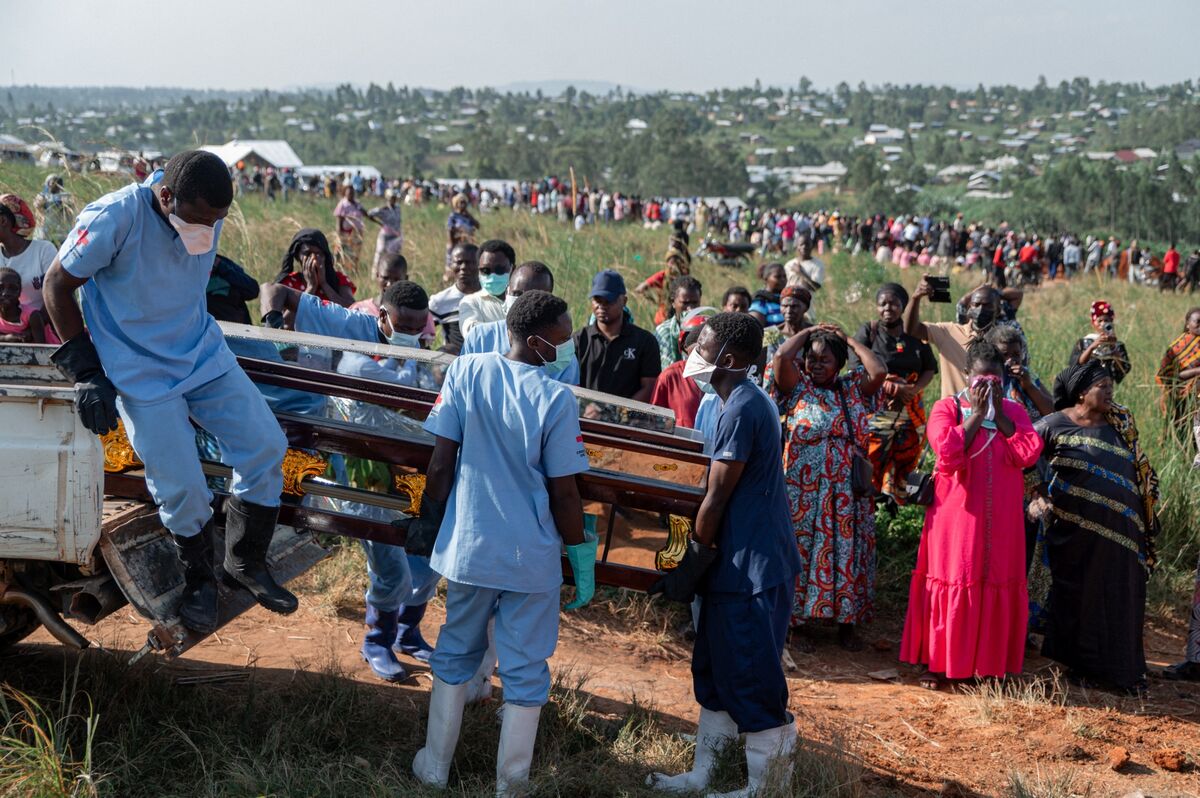
Ebola outbreak worsens in DR Congo as case numbers rise and resources strained
Multiple reports describe a rapidly expanding Ebola outbreak in eastern Democratic Republic of the Congo (DRC), with gro...
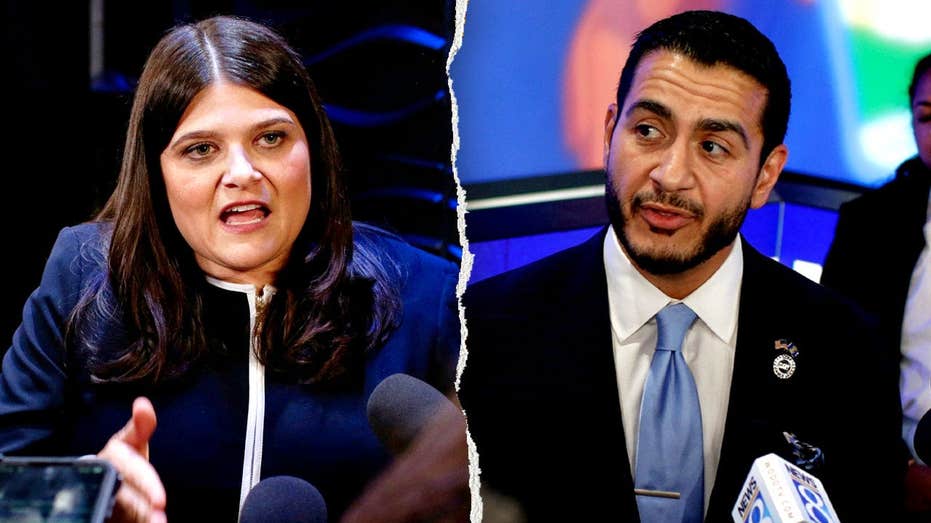
El-Sayed and Stevens clash in tight Michigan Democratic Senate primary race
Michigan’s Democratic Senate primary is unfolding as a close contest between Rep. Haley Stevens, a moderate Democrat, an...
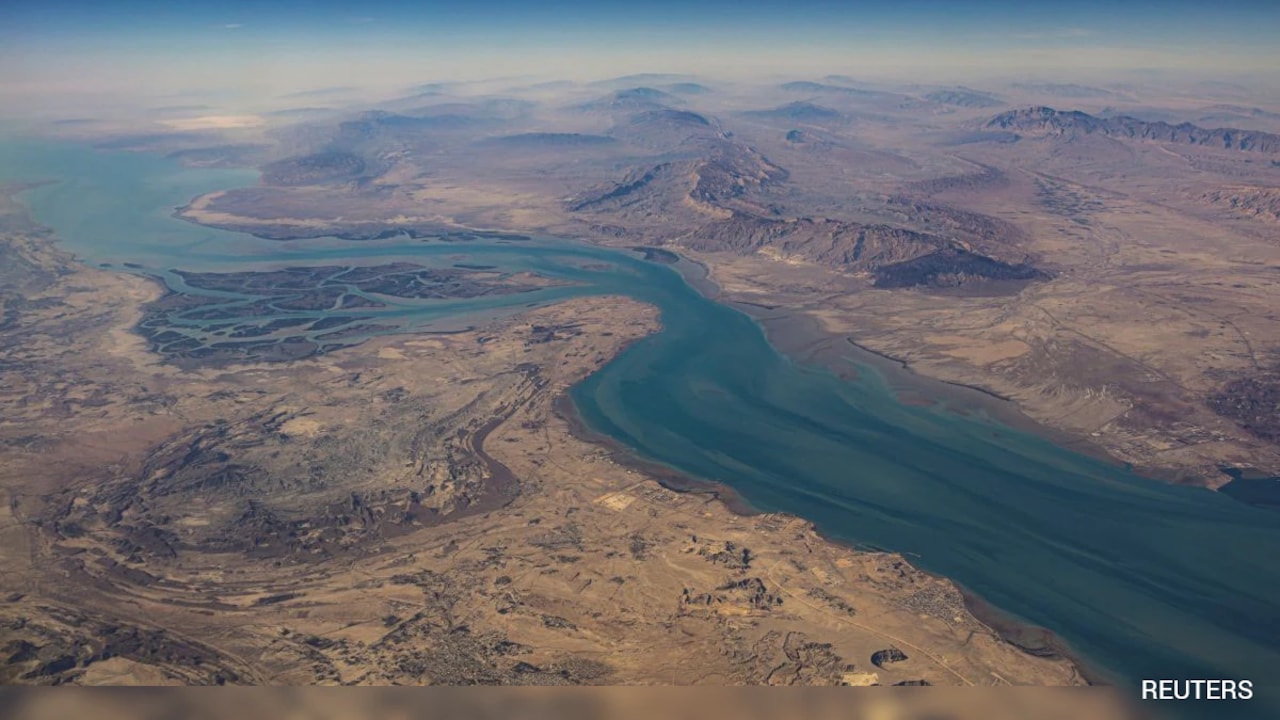
Iran and Oman discuss reopening the Strait of Hormuz with proposed route-based control
Iran and Oman are engaged in talks over a plan to reopen the Strait of Hormuz and ease disruptions to Gulf trade after a...