Multiple viewpoints argue that the traditional three-meal schedule is losing its grip, especially in modern work and lifestyle patterns. One source describes the three-meal routine as an older model associated with industrial Europe, where regular meal times were reinforced by broader social expectations, including traditional gender roles. It is presented as increasingly impractical in contemporary life.
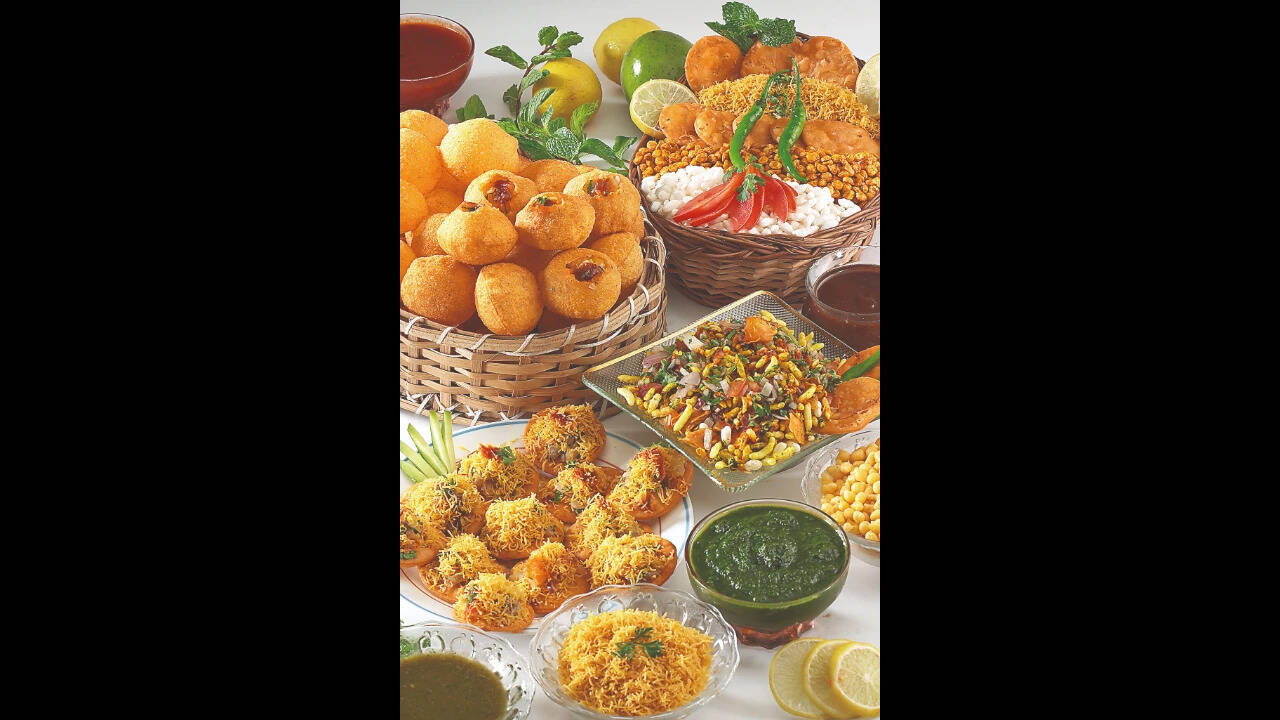
In contrast, the same discussion highlights Indian food culture as already comfortable with lighter, more flexible eating throughout the day. Rather than treating meals as rigid blocks, it emphasizes “snacks” and smaller meals as normal parts of daily nutrition. The argument is that these eating patterns can support wellbeing by providing nourishment without requiring strict timing, and that frequent, smaller eating opportunities can also help people regain energy and maintain emotional balance during long or demanding days.
Overall, the story frames the shift not as a rejection of eating, but as a move toward flexibility, reflecting changing routines and cultural differences in how daily food intake is structured.