Multiple discussions focus on how tools used to make maps have shaped public trust over centuries, and how new AI features raise questions about that trust today. The Conversation notes that map users have long relied on the technologies behind cartography—from early instruments such as the dioptra used in ancient Greece to modern satellite-based mapping systems—because accuracy in maps is treated as a foundation for how people understand place. It argues that introducing an AI tool into Google Earth can disrupt that trust, particularly when users may not know how machine-generated or enhanced content is produced.
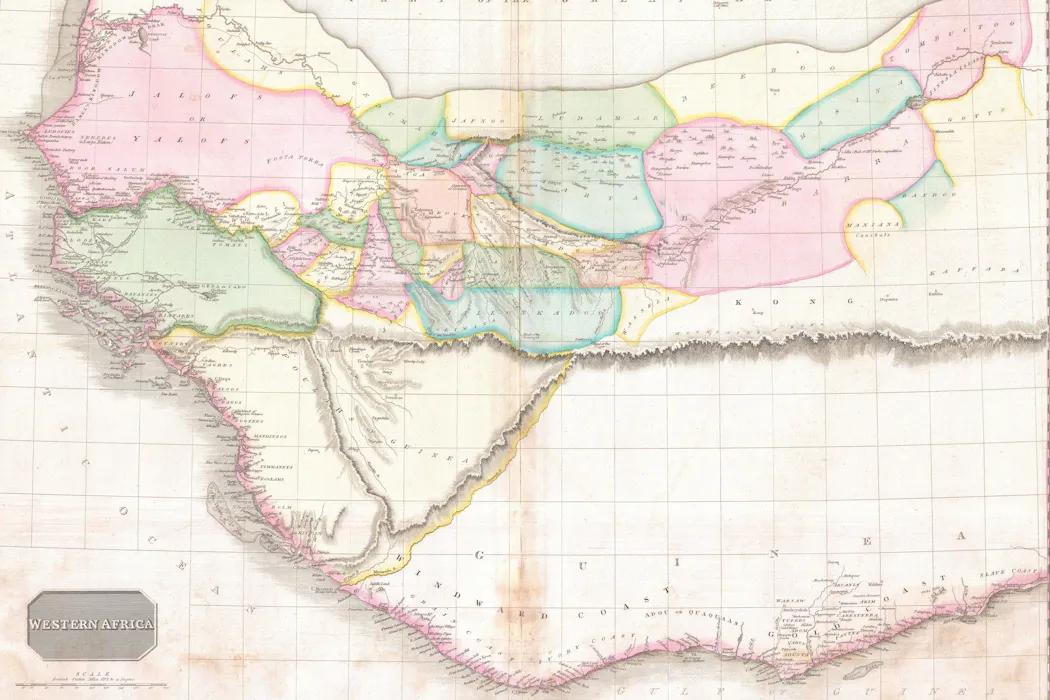
Phys.org provides historical context, describing how European cartographers in the 18th and 19th centuries built reputations for accuracy and detail during major social and economic change. At the same time, rising demand for increasingly detailed maps—driven by industrialization and overseas colonization—sometimes exceeded what cartographers could reliably deliver. Together, the sources frame today’s AI mapping tools as the latest shift in the relationship between cartographic technology, accuracy, and public confidence.