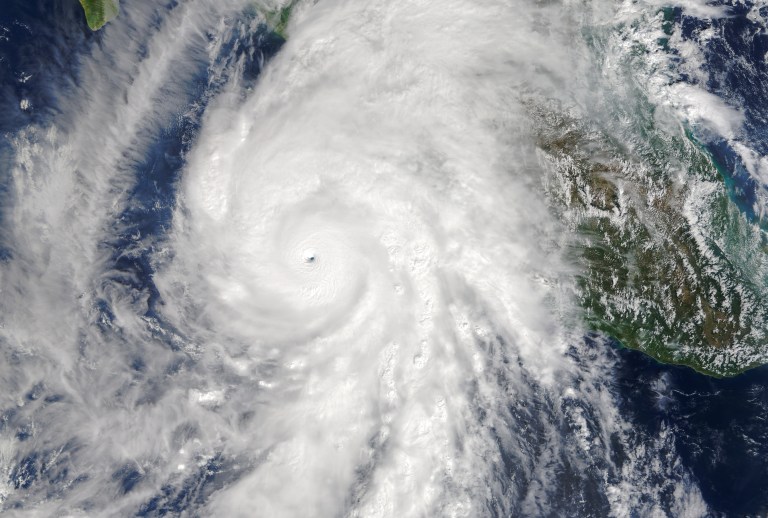
The International Labour Organization (ILO) warns that the 2026–2027 El Niño weather phenomenon could have major consequences for work and livelihoods across the Caribbean. In a policy brief, the ILO links expected climate conditions—such as drought, water shortages and heatwaves—to risks for workers, businesses and vulnerable communities. It says the impacts could include disrupted employment, reduced incomes and worsening working conditions, particularly for people in informal work, rural areas and outdoor occupations.
The ILO identifies agriculture, fisheries and tourism as sectors most exposed to El Niño in the Caribbean. It notes that drought and heat could affect key crops, including maize, beans, wheat, coffee and sugarcane, while also undermining fisheries and tourism-related activities. The report also warns that wider effects could include increased food insecurity and higher food and energy prices, which may push households toward coping strategies such as greater reliance on informal employment and, in some cases, forced labour migration.
The ILO says impacts are not inevitable and urges governments to strengthen social protection, invest in climate-resilient infrastructure, reinforce occupational safety and health measures, expand early warning systems and promote social dialogue to protect vulnerable workers.