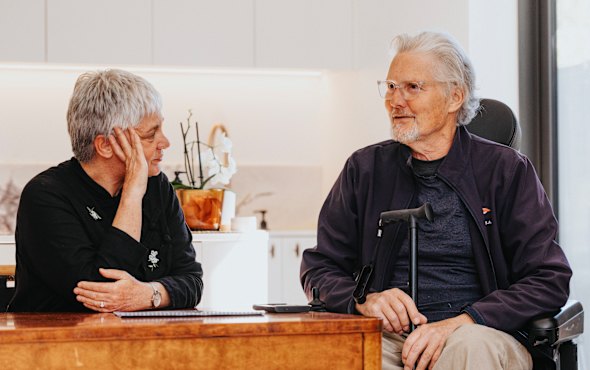
People with terminal diagnoses increasingly receive “biography” services that help them record their life stories, and families say the approach brings comfort and joy. Articles profiling Matthew describe how creating a written or recorded account of his experiences gives his loved ones something enduring, even as his illness progresses.
The outlets report that the service is used in palliative care and is spreading both in Australia and overseas. While the stories focus on individual experiences, they also frame the broader purpose as offering a structured way for patients to reflect, communicate, and preserve personal memories during end-of-life care. The coverage emphasizes that participation can feel empowering for patients, and meaningful for families seeking a clearer picture of the person they have loved.
Across the sources, the differing emphasis lies in the human-interest angle versus the wider trend: The Age and the Sydney Morning Herald center on the effect on Matthew, while Brisbane Times similarly links his experience to the broader rise in popularity of biography services. All describe the practice as a simple, non-medical addition to palliative support.