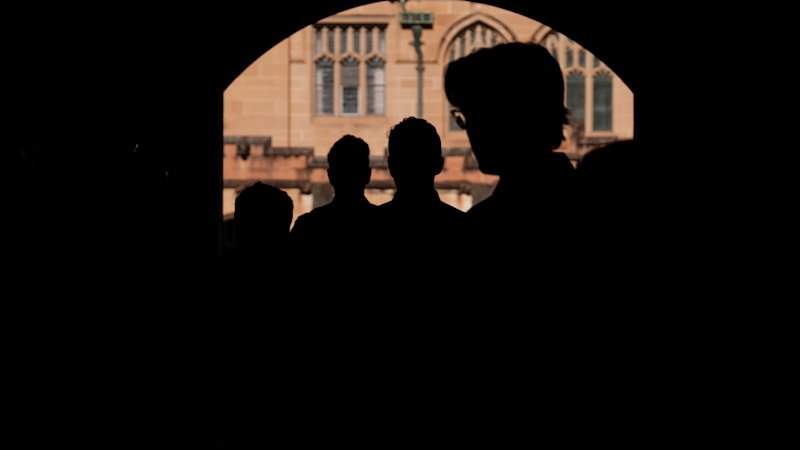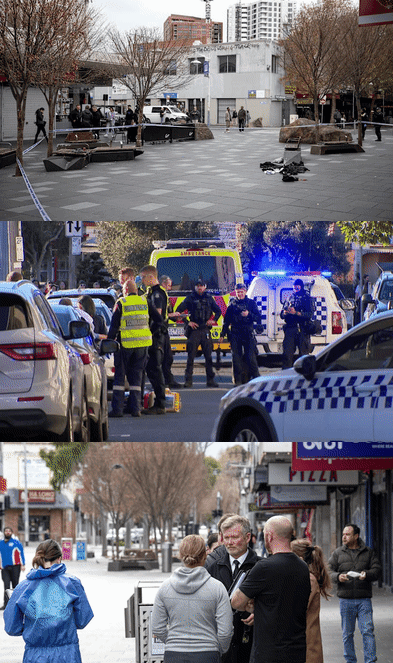
Residents in Australia’s inner and western suburbs describe growing fear about walking outdoors, saying the social and community effects of earlier gentrification are still being felt. The pieces frame the issue as one of “loss” and ongoing woundedness rather than blaming particular groups, with authors arguing that the atmosphere has become more tense and unsafe for some longtime residents.
The reporting and commentary draw on shared experiences of living in neighbourhoods that have changed over time. While the articles focus on the same theme—fear of public spaces—their framing remains personal and place-based rather than presenting new, location-specific crime statistics. Instead, the emphasis is on how long-term shifts in housing, demographics and social cohesion can leave some residents feeling less secure, even decades after gentrification begins.
Across outlets, the central message is consistent: residents describe fear that affects daily life and mobility, and they call for attention to the human impact of neighbourhood change. Any differences are primarily in wording and perspective, with all sources converging on the same concern about safety and belonging in gentrified areas.