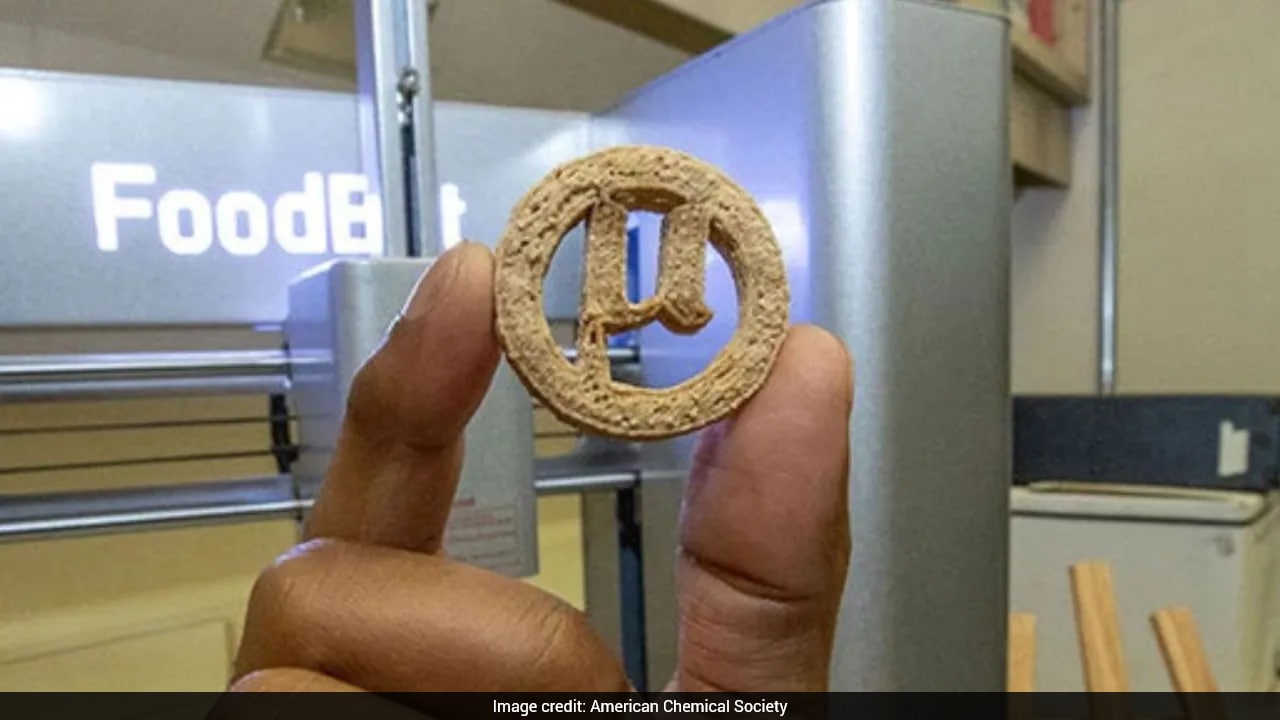
Researchers working on a NASA-linked project develop edible “cookies” created from processed plastic waste and agricultural byproducts. The approach uses specially designed yeasts to convert waste materials into proteins, fats, and flavour-related compounds, which are then formed into disc-shaped food using a 3D printer.
Across the outlets, the work is described as “protein-rich” and designed for environments where resupply of food is difficult, especially long-duration space missions. One report specifies that the plastic input includes PET from bottles, alongside discarded corn stalks and leaves, which are processed before being fed to the yeast strains. Another highlights the broader potential of such a food system as part of plans to support astronauts on future deep-space travel, framing the concept as an alternative to relying solely on packaged imports.
While all accounts focus on the technical concept and intended application, they differ mainly in emphasis—one concentrates on the novelty of plastic-made cookies, and others stress hunger- and resource-scarcity implications beyond space. None of the sources indicate that the cookies are ready for routine operational use; they present the development as an ongoing research effort.