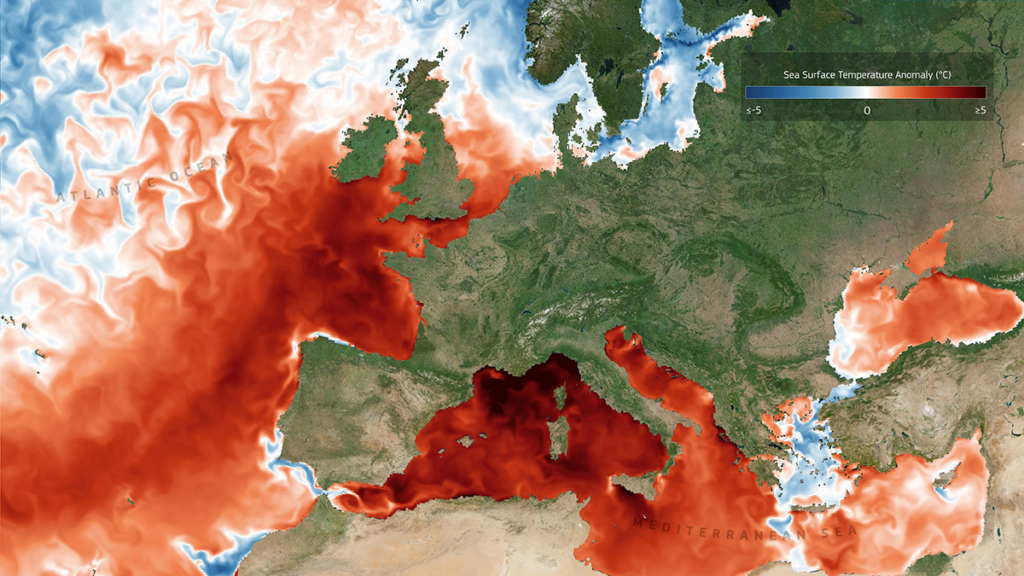
Researchers explain that marine heat waves and ocean acidification are linked by how warming oceans interact with carbon chemistry. As seawater temperatures rise, the ocean’s ability to absorb and store carbon changes, which can alter the concentration of carbon dioxide-related compounds that control acidity.
In this view, damaging outcomes can be amplified when both stressors occur at the same time, because their impacts on marine organisms do not simply add together. Instead, the combined chemical and thermal conditions create a “tug-of-war” in the ocean’s carbonate system, influencing when and where extreme acidification and heat events overlap. The outlets agree that each phenomenon—heat stress from higher temperatures and harm from lower pH—poses risks independently, but simultaneous occurrence increases overall strain on ecosystems, including species that are sensitive to both temperature and acid-base changes.
While the sources emphasize the same central mechanism—warming-driven shifts in carbon chemistry that affect acidity—the framing differs. One outlet focuses on the underlying chemistry that determines event timing and location, while the other highlights the ecological consequence that concurrent stressors can exacerbate effects beyond either stressor alone.