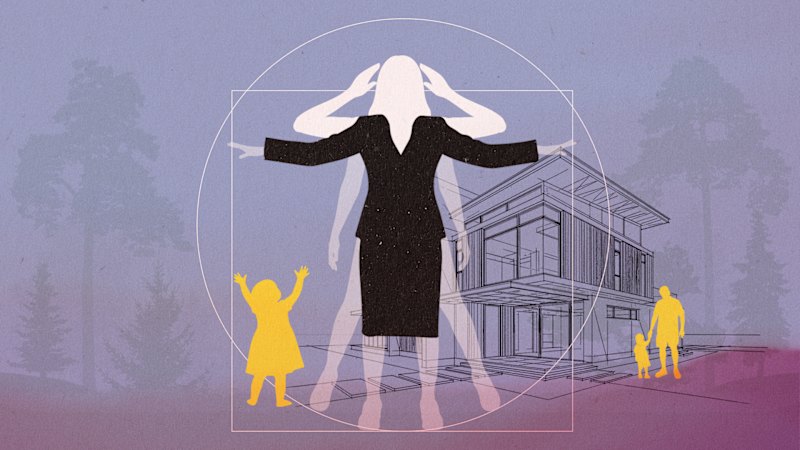
Multiple outlets report that Gen Z may be rejecting a pattern of unpaid, hidden responsibilities that earlier generations—often their mothers—absorbed. While all sources acknowledge that practical pressures such as paid work obligations and day-to-day domestic tasks contribute to the overall burden, they focus on a deeper issue: the “third shift,” described as the mental load. This refers to the ongoing planning, monitoring, decision-making, and coordination that typically stays largely invisible but consistently demands attention.
The articles frame the “thanks, Mum, but I don’t want your life” idea as shorthand for a broader shift in attitudes among younger adults. Rather than only reacting to workload in the ordinary sense, the sources suggest Gen Z is increasingly aware of how responsibility is shared—or not shared—within families and relationships. In that view, the decision to opt out of certain life patterns is linked to concerns about long-term stress and expectations tied to caregiving and household management. Across the three reports, the central common thread is that the mental load is treated as the “heart of the problem.”