


Multiple Australian outlets report on new research examining how laws that require car parking in residential development affect housing affordability. The reporting links the housing crisis context to findings that mandatory parking provisions increase development costs, which can contribute to higher house prices. The articles also point to an efficiency concern: many parking spaces required by regulation are not being used as intended for car storage. Across the coverage, the central claim is that rules designed to guarantee parking supply may produce “paved” housing estates with costs that residents ultimately bear, even when households do not use all available spaces. While the articles summarise the research’s conclusions rather than detailing specific jurisdictions or figures, they consistently describe a pattern of mandated parking requirements driving up costs and leaving a portion of parking capacity underutilised. The coverage frames the issue as part of broader debates about how planning and development standards influence land use, affordability, and whether regulatory requirements align with real household transport needs.
Parking requirements for new housing raise costs and leave many spaces unused, research finds
Multiple Australian outlets report on new research examining how laws that require car parking in residential development affect housing affordability. The reporting links the housing crisis context t...
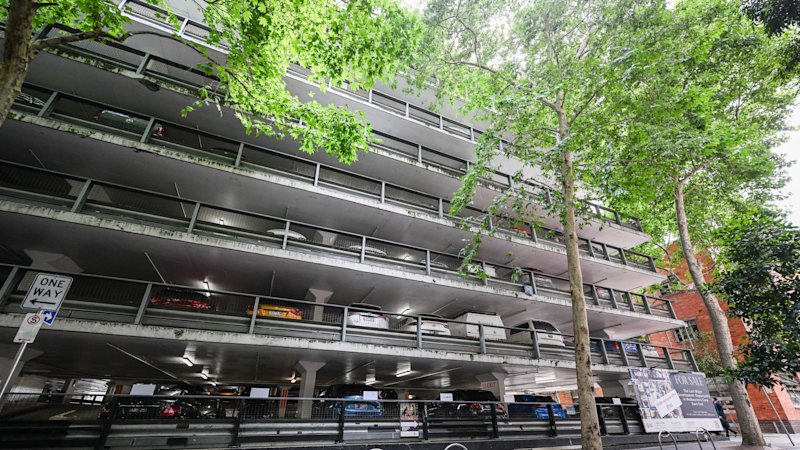
- Research finds laws requiring parking in residential development can push up house prices.
- The reporting connects the findings to the broader housing affordability crisis.
- Many parking spaces created under these requirements are not used for car parking.
- The outlets present the issue as a planning and regulation impact on development costs.
- Coverage is based on the same research conclusions across multiple states and publications.
In the midst of a housing crisis, research shows laws requiring car parks are pushing up house prices – and many spaces are not being used for cars.
3 months agoIn the midst of a housing crisis, research shows laws requiring car parks are pushing up house prices – and many spaces are not being used for cars.
3 months agoIn the midst of a housing crisis, research shows laws requiring car parks are pushing up house prices – and many spaces are not being used for cars.
3 months ago
Glacier collapse in Himalayas triggers Nepal-Tibet floods, experts say
Catastrophic floods sweeping across parts of Nepal and Tibet are widely attributed to the collapse of a glacier. Multipl...
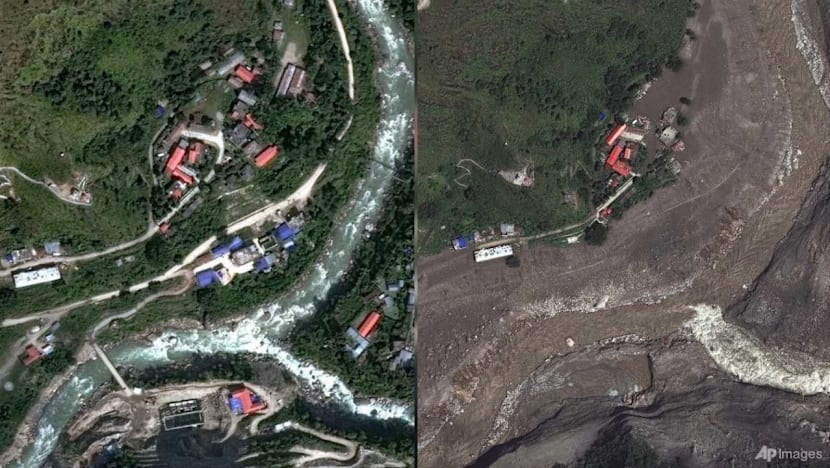
Satellite images examined after bedrock and glacier collapse triggers flooding on Nepal-China border
Catastrophic flooding along the Nepal–China border prompts an investigation into its cause after satellite images sugges...

Serbia plans state-honours funeral for convicted war criminal Ratko Mladić
Serbia plans to arrange the funeral of convicted Bosnian Serb general Ratko Mladić, including transporting his body from...