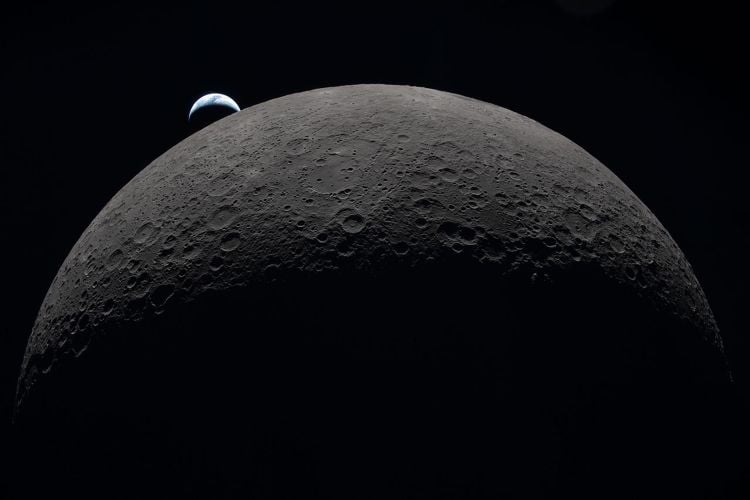
Researchers report that certain Earth microorganisms could survive conditions near the Moon’s south pole, where permanent darkness, deep craters, and complex terrain create cold, shaded environments. The findings point to a potential “forward contamination” risk—human missions could inadvertently carry microbes that persist and complicate efforts to detect any native lunar life.
One outlet notes that while space radiation and extreme temperatures generally reduce microbial survival on spacecraft, there has been a longstanding uncertainty about how lunar polar regions affect microbes. Scientific American highlights a specific study examining five common microbes and concludes that at least some can endure in the lunar south pole environment. Universe Today frames the issue in the context of NASA contamination-prevention efforts and the practical challenge of assessing survivability in these areas.
Across the coverage, the key shared point is that microbial persistence at lunar poles is plausible, which could require careful contamination controls and mission planning for future robotic and human activity. Neither source describes confirmed native lunar life; the focus is on preventing contamination and managing uncertainty.