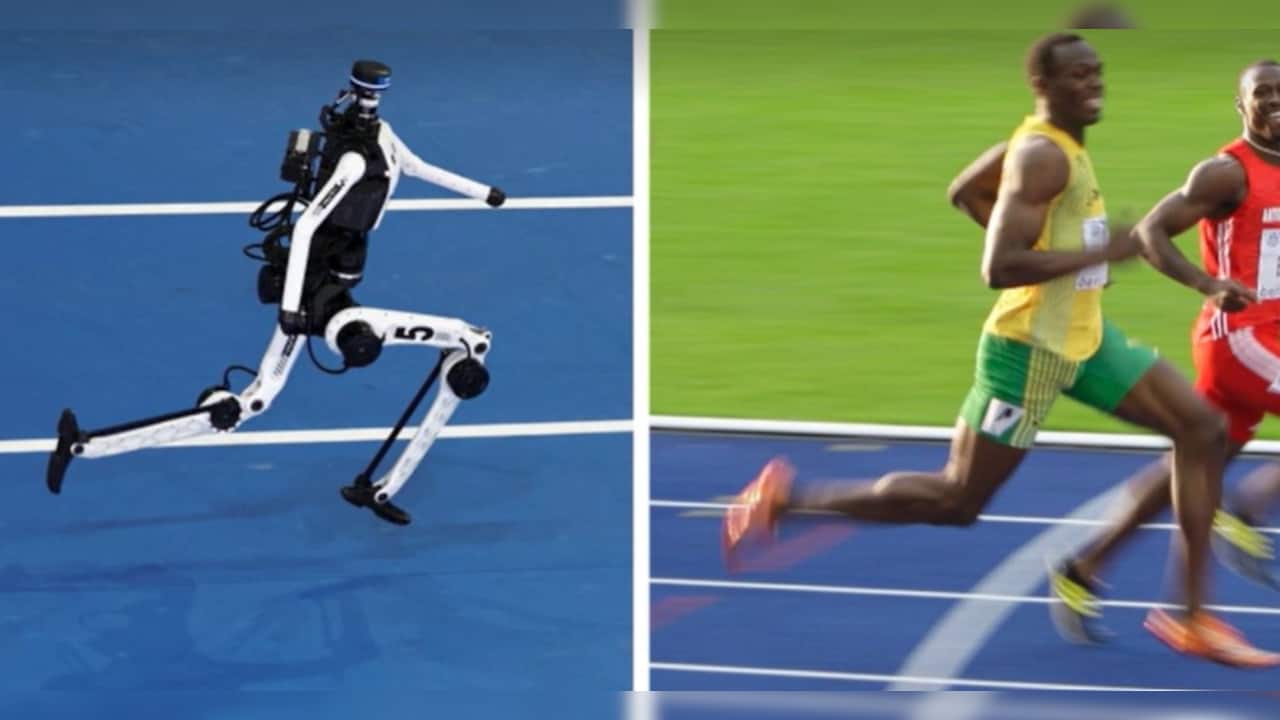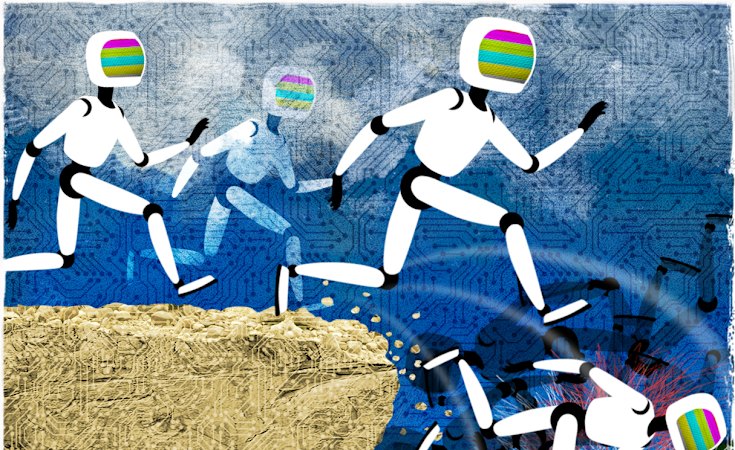
Humanoid robots can run, but outlets report they struggle to stop reliably once moving, raising concerns about how well the systems can regulate balance, speed, and stopping behaviours. The story focuses on what the robots’ limitations reveal about the engineering approaches used to imitate human movement.
The articles frame the robots as a “mirror” to their creators, suggesting that the same constraints and design trade-offs that affect human motor control are also reflected in robotic motion. While the outlets share the same core theme, their coverage emphasizes different implications—ranging from whether current control systems can fully handle real-world conditions to what the results indicate about progress in robotics learning and safety.
Overall, the sources agree on the demonstration: the robots are capable of dynamic movement, but they do not consistently achieve safe or immediate stopping. This gap is presented as a practical challenge for deployment and as a prompt for further research into more robust control and learning methods.