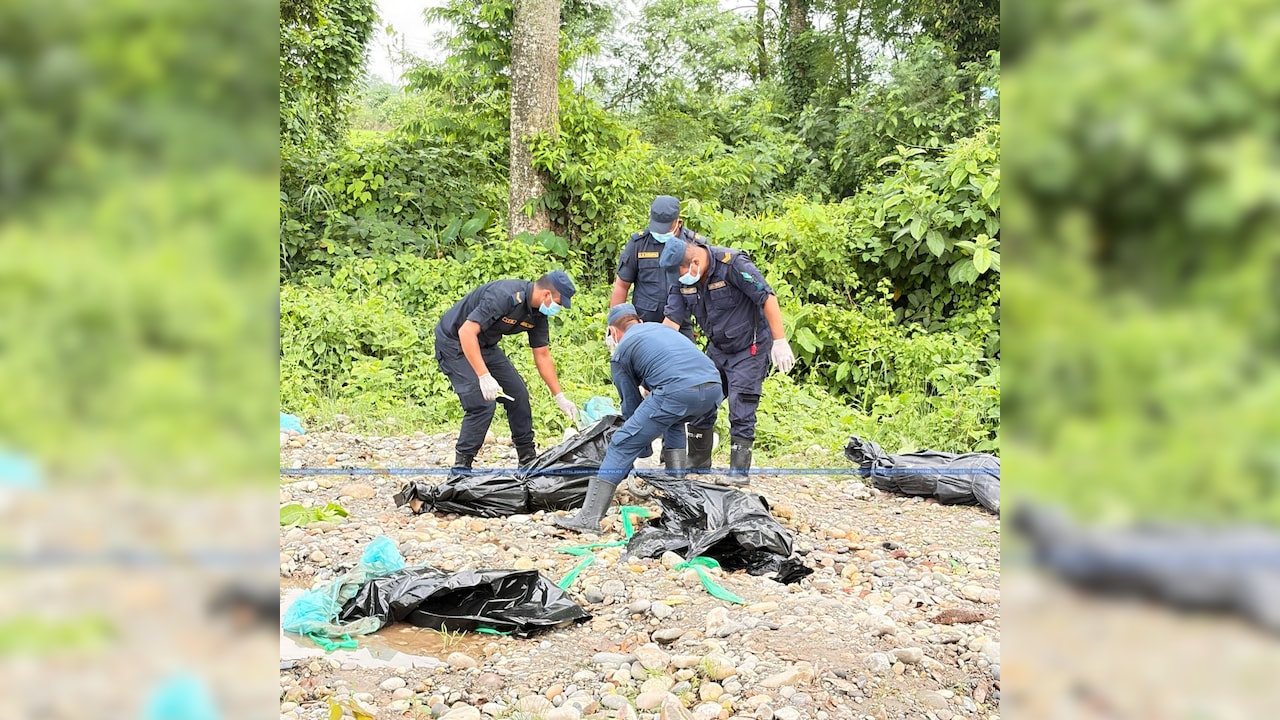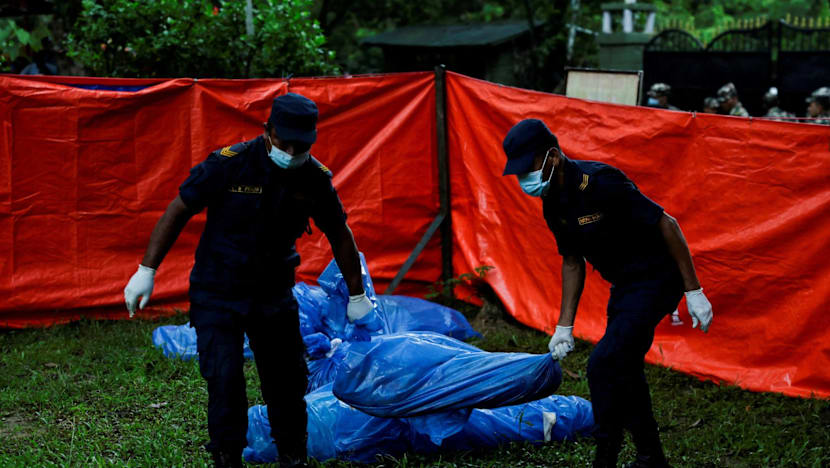
Nepal says it will preserve DNA and other identifying evidence from flood victims who cannot be identified before the bodies are buried or otherwise managed. Prime Minister Balendra Shah announces the measure as recovery efforts continue in flood-hit areas, noting that some recovered remains are so decomposed they cannot be recognized.
The government also distinguishes between unidentified and identified bodies. Shah says families who can identify their relatives receive the bodies directly, while only those that cannot be identified will be handled by the state after evidence preservation. Authorities urge the public not to confuse the two processes. Reporting from Nepal’s local press says 675 victims have been recovered so far from affected districts.
Across outlets, the core focus is the same: preserving DNA and other potential identifiers prior to management steps for unidentified remains. While outlets emphasize different contextual details—such as the level of decomposition in one report and the number of recovered victims in another—they all describe the government’s plan as an identification-support measure ahead of burial or other arrangements.