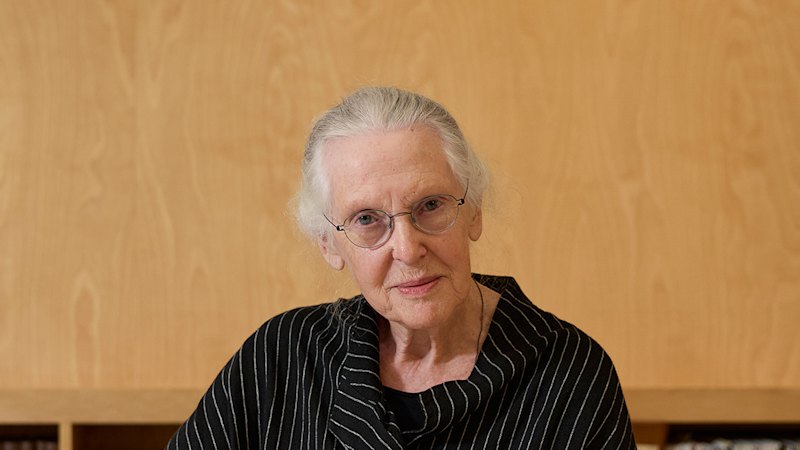
Designer Mary Featherston says standard classroom desks and chairs act like restraints, limiting children’s natural movement and curiosity. In interviews reported by multiple outlets, Featherston argues that learning spaces should be redesigned to better support how children explore and engage with their environment.
The articles also place her comments in the context of her career in mid-century modern design. Featherston, who designed furniture with her husband, is described as having helped put Melbourne on the global design map through their well-known work. Drawing on that background, she links the need for classroom change to a broader view of design and space: furniture and layout are not neutral, but shape behaviour and learning.
Across the reports, Featherston’s central message is consistent—rather than forcing children into fixed postures at desks, schools should consider more flexible arrangements and learning environments that encourage curiosity and active participation.