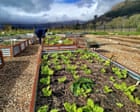
Researchers at the University of Cape Town develop an off-grid system that turns heavily polluted water from South Africa’s Stiebeuel River into usable irrigation supply for a nearby informal settlement. The approach uses layered stones, sand and heat-treated wood, relying on renewable energy and avoiding chemical treatment. The system processes about 36,000 litres of contaminated wastewater each day, which is described as containing sewage, chemicals and traces of medicines.
Outlet accounts describe the treatment as removing a large share of contaminants, with one report stating it removes about 99% of toxins. The cleaned water is used by residents of the Langrug area to irrigate vegetable plots, supporting local food production. Both sources frame the work as a potential model for climate resilience in a fast-warming context, suggesting that decentralised, low-technology water treatment could help communities maintain food supplies as environmental conditions worsen.
While the underlying description is consistent—materials-based filtration, daily treatment capacity and intended agricultural use—coverage emphasizes different points. One source focuses more on the method’s chemical-free and renewable nature, while the other highlights the scale of toxin reduction and its value as a replicable template.