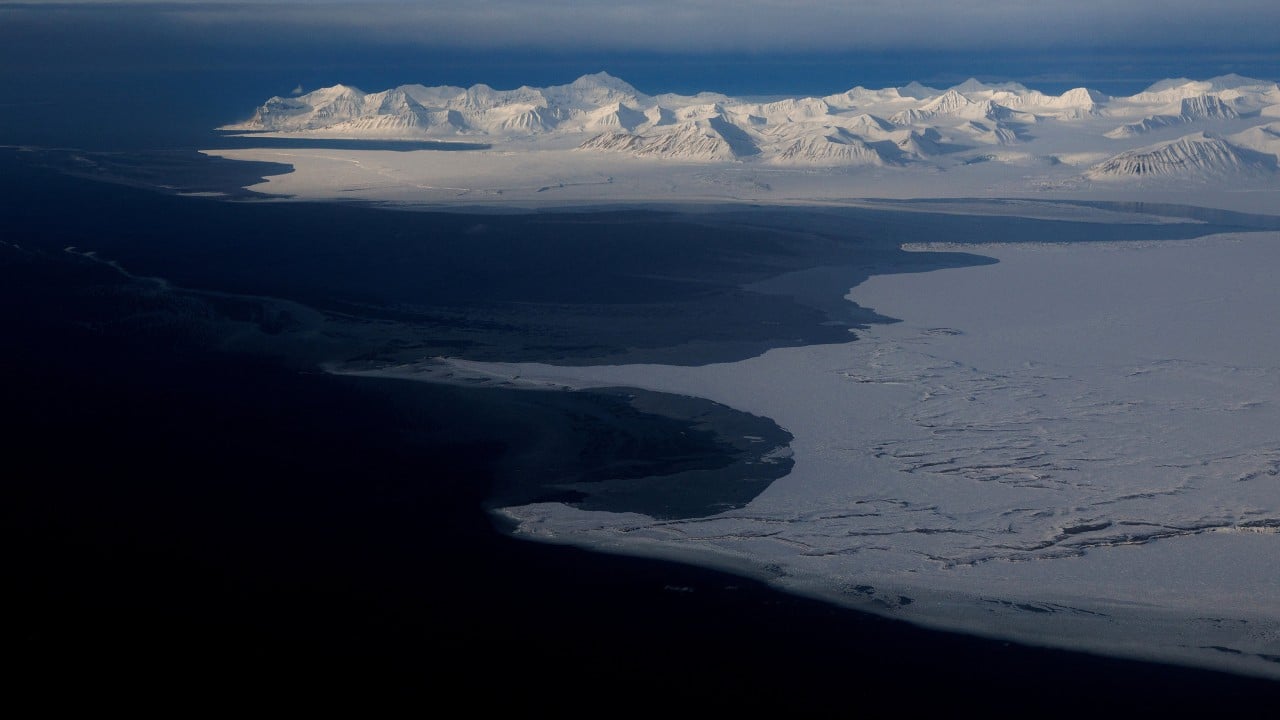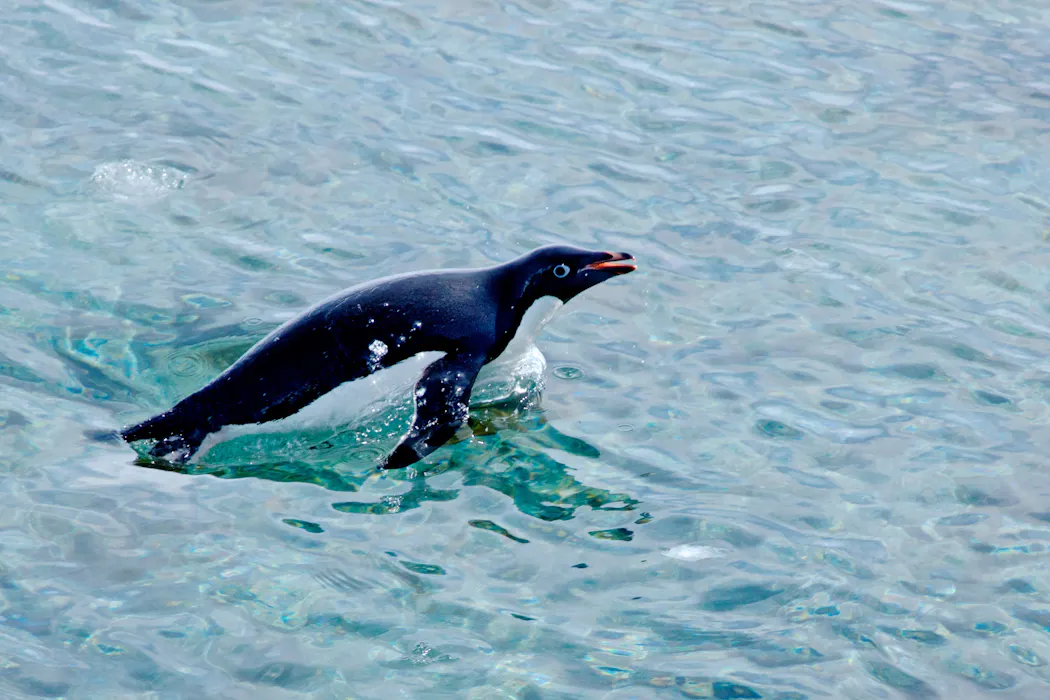
Penguins’ diets in Antarctica are shifting as sea-ice conditions change, according to research using satellite observations of the environment around colonies. The study reports that when colonies are surrounded by more sea ice, penguins eat relatively more fish than krill.
The findings connect these diet changes to colony performance: colonies consuming more fish are described as more successful at sustaining their numbers. The researchers use remotely sensed evidence of ecological change over time, including indicators derived from imagery around penguin sites.
While outlets broadly agree on the use of satellite data to examine diet-related changes, they emphasize different details. The Conversation highlights the ecological relationship between sea ice, prey availability, and penguin success. Phys.org focuses more on the method and the novel use of observable signals from space, such as changes detectable through the appearance of penguin droppings, as a way to monitor diet shifts across the continent.
Overall, both reports describe satellite-based evidence of how penguin feeding behavior responds to Antarctic climate-driven changes in the marine environment.