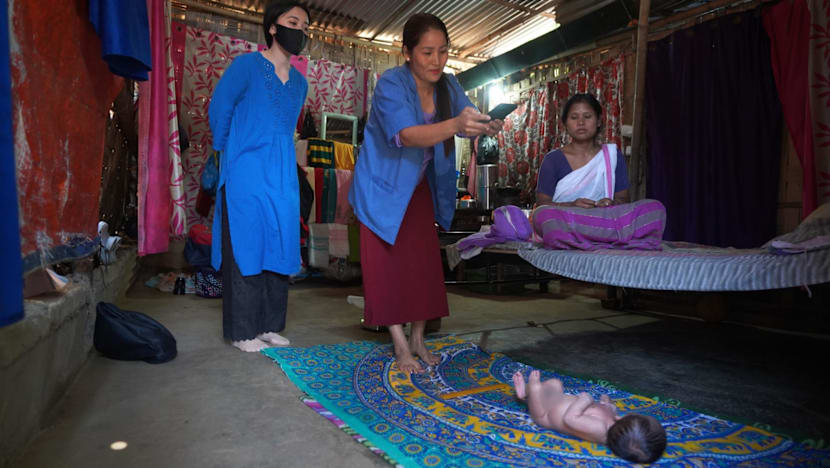
AI is increasingly used in rural India to support frontline healthcare tasks, with programs focusing on areas such as tuberculosis screening and newborn monitoring. The reporting describes how these tools help compensate for shortages of healthcare staff by assisting workers with decision support and faster identification of health risks.
Across the coverage, a central issue is scaling these systems in day-to-day settings. While AI applications are being tested in the field, they must be integrated into routines already stretched by high patient loads and limited time for training. Outlets emphasize that effectiveness depends not only on the technology, but also on usability, workflow fit, and the ability for health workers to operate the tools reliably.
The angle differences are limited between the two articles, but both link deployment in rural communities to workforce constraints and ongoing implementation challenges, including how AI is adapted for practical use rather than treated as a standalone solution.