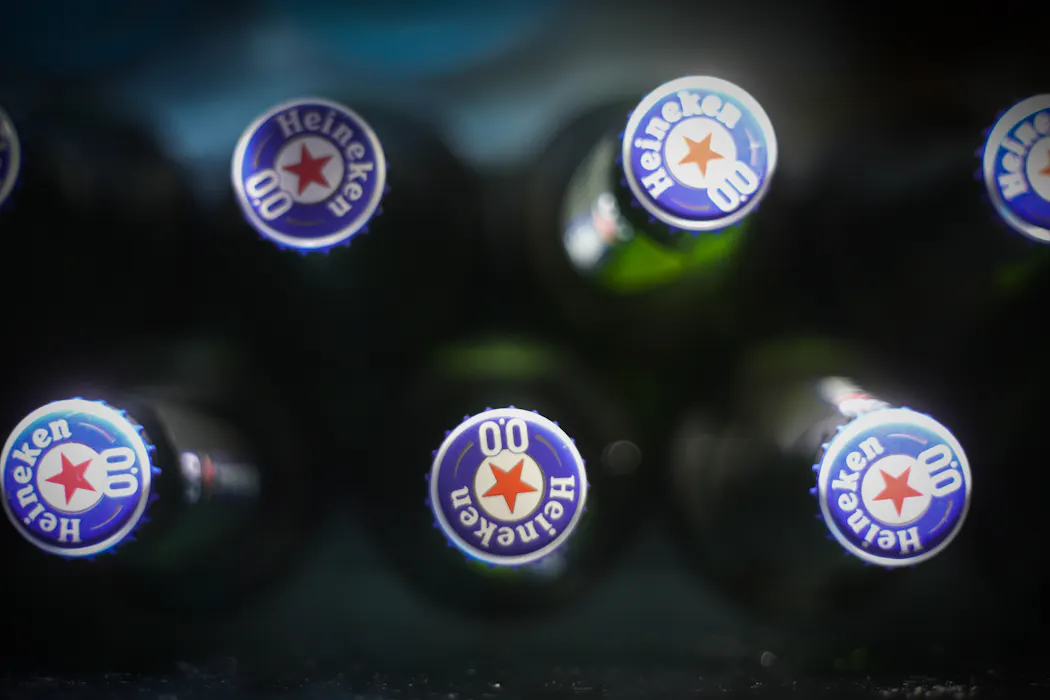
Zero-alcohol drinks are becoming increasingly popular, moving from niche products to widely available options in supermarkets, liquor stores, and some pubs over the past decade. Reporting on youth attitudes highlights that many young people view these “booze-free” alternatives as a convenient way to participate in social settings without drinking alcohol.
Across the sources, the discussion centers on what alcohol-free drinks can and cannot do. Some coverage emphasizes that drinks which mimic the taste of alcohol may help teenagers fit in socially and reduce pressure to drink. However, other reporting and research notes there are limits to using zero-alcohol products as a substitute for alcohol, suggesting they should not be assumed to fully replicate the effects, role, or broader reasons people drink. The overall picture is that interest is rising, while experts caution against simplistic replacement claims.