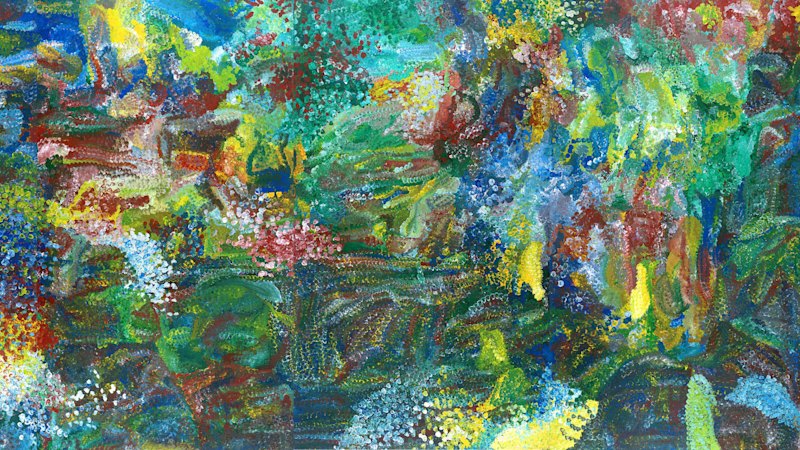
An Aboriginal artist who starts painting in her 60s is widely recognised for a major cultural legacy that extends beyond popularising Aboriginal art. Multiple outlets describe a late entry into the medium, with acrylic painting coming even later, followed by a prolific output that reshapes how audiences and institutions view her work.
The articles focus on the implications of her career for broader public recognition and for understanding Aboriginal art within Australian cultural life. While the accounts share the same core details—her late start, the subsequent scale of her production, and her stature as an exceptionally important figure—each outlet frames the significance slightly differently. Some emphasise the personal timeline of her artistic development, while others highlight the wider repercussions of her legacy in terms of influence and acknowledgement.
Taken together, the sources present a consistent picture: despite beginning painting later than many contemporaries, the artist’s work gains substantial prominence and leaves an enduring impact, with attention to both artistic value and cultural effects.