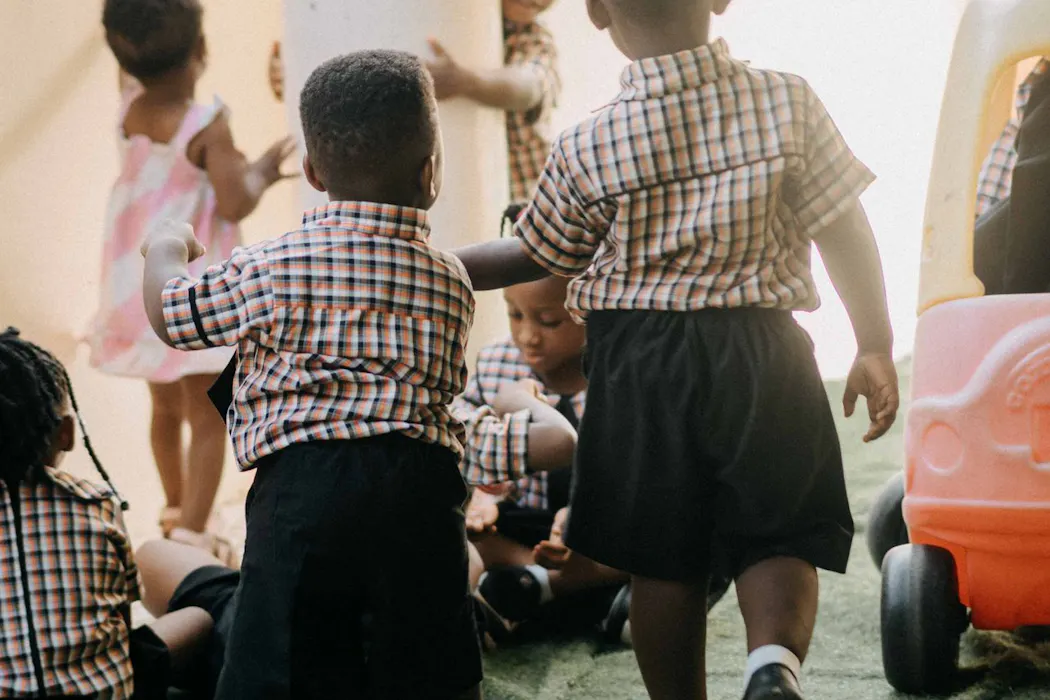
A new study focuses on how children’s first five years influence later outcomes such as schooling, health, and earnings. It finds that more than 77% of children in sub-Saharan Africa do not have access to early childhood care and education, leaving many at risk of falling short of their development potential.
The analysis looks at why some pre-primary education programmes perform better than others, and what factors make early interventions more effective. Both outlets describe the study’s aim as guiding how education budgets can be targeted more efficiently, rather than only increasing spending broadly. The reporting highlights the challenge of limited access and the need for strategies that reach children who benefit the most during the period when development is most responsive.
While the articles differ in emphasis—one underscores the overall importance of the first five years and current coverage gaps, the other foregrounds programme success and targeting decisions—they converge on the same core point: early childhood education is critical, and policy design should focus on interventions that produce stronger results.