


Bank of England governor Andrew Bailey tells MPs that the Iran-related conflict has affected the timing of possible interest-rate cuts. Speaking to the Treasury Committee, Bailey says that, prior to the escalation, the Bank may have been able to cut rates twice during the year. He adds that a rate cut is taken off the table in the context of the war, implying that uncertainty and risks associated with the conflict have influenced the Bank’s assessment of the outlook for inflation and the economy. The reports agree that Bailey frames the decision in terms of policy options and conditionality rather than a final, permanent shift in stance. While the sources do not provide detailed figures for the cuts he had in mind or specify the exact conditions under which the Bank would reconsider, they concur that the Iran war is cited as the main reason those potential rate reductions did not proceed. The statements are presented as part of the Bank’s ongoing deliberations on monetary policy and reflect the central role of geopolitical developments in shaping expectations about inflation and financial conditions.
Bailey says Iran conflict led Bank of England to rule out rate cut
Bank of England governor Andrew Bailey tells MPs that the Iran-related conflict has affected the timing of possible interest-rate cuts. Speaking to the Treasury Committee, Bailey says that, prior to t...
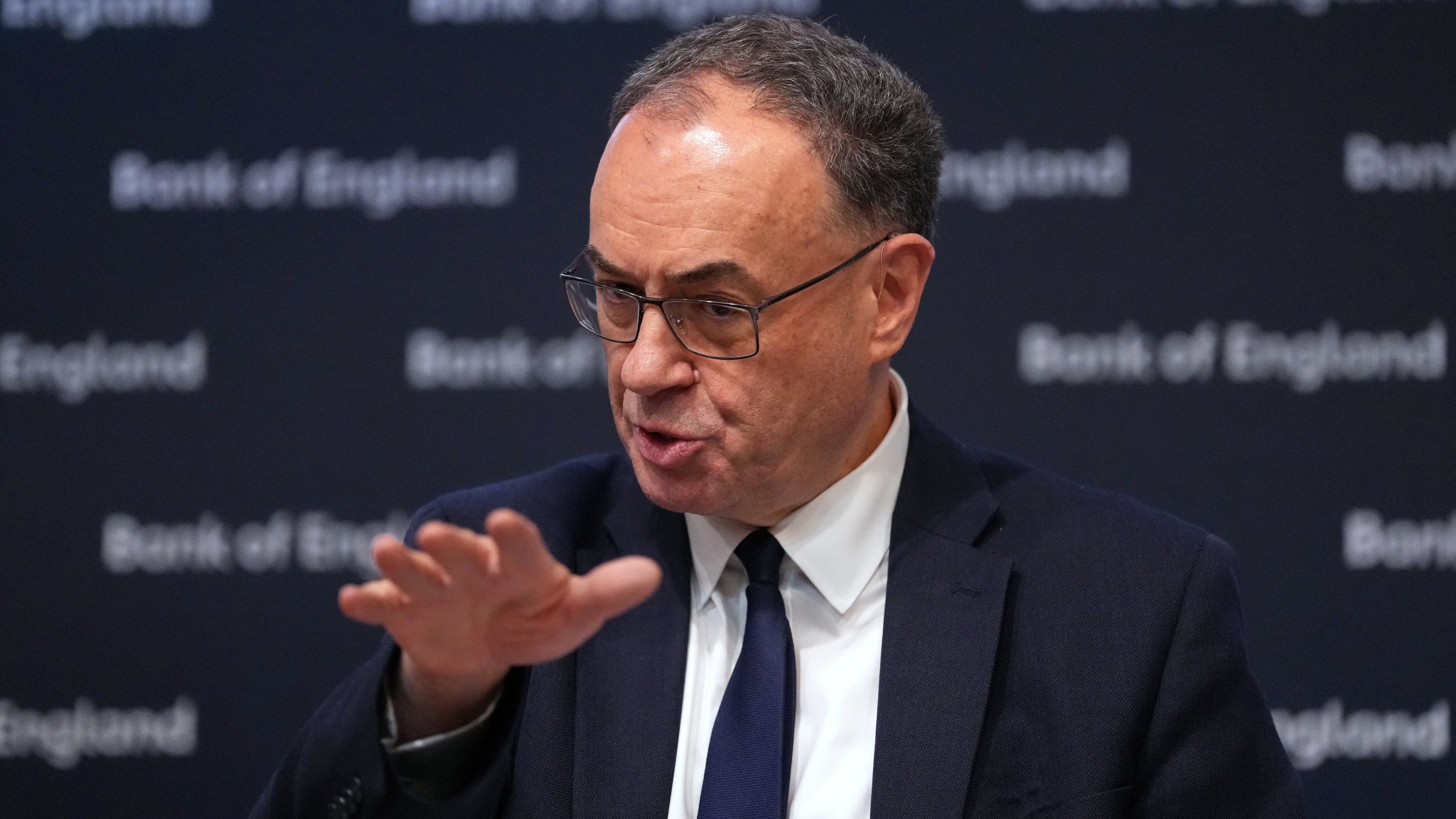
- Andrew Bailey says the Bank of England may have cut interest rates twice this year.
- He tells MPs on the Treasury Committee that the Iran conflict changes the policy outlook.
- Bailey says a rate cut has been taken off the table following the escalation of the war.
- The comments are presented as being tied to uncertainty and risks from the conflict.
- Both outlets report Bailey’s remarks without additional new policy measures or dates.
Bank of England governor Andrew Bailey told MPs on the Treasury Committee that a rate cut had been taken off the table following the conflict.
3 months ago
Investors File Securities Class Actions Against EquipmentShare.com Over Alleged IPO-Related Misstatements
Investors file multiple securities class action lawsuits against EquipmentShare.com Inc. (NASDAQ: EQPT), alleging violat...

Evernorth, backed by Ripple, seeks shareholder approval for Nasdaq listing
Evernorth, a company backed by Ripple, is one step closer to listing on Nasdaq after receiving U.S. SEC clearance for it...
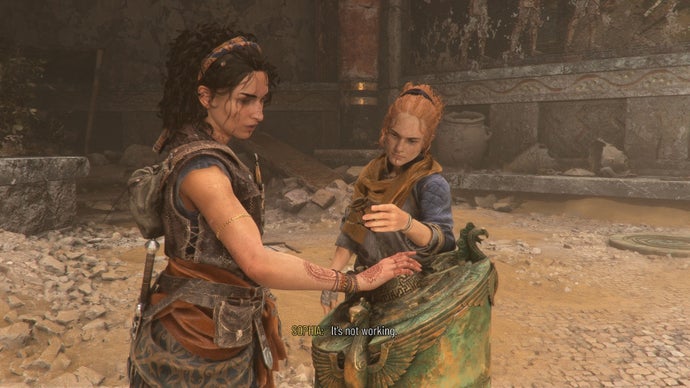
Resonance: A Plague Tale Legacy reviews: prequel shifts to combat on Crete
Resonance: A Plague Tale Legacy is a prequel in the A Plague Tale franchise set in 1334 on the Greek island of Crete. Ac...