


NASA researchers report developing an artificial intelligence system designed to improve detection of harmful algal blooms in ocean waters. In a study published in AGU Earth and Space Science (also described by Phys.org), the team says the tool can combine or “fuse” information from multiple satellite datasets to identify bloom events. The researchers test the approach on cases of harmful algal blooms that occurred in western Florida and Southern California. According to the reports, the AI system uses satellite observations to recognize bloom patterns and support tracking efforts. The outlets describe the work as addressing a longstanding challenge in monitoring where and when harmful algae proliferate, which can affect marine ecosystems and public health. Both sources emphasize the same core elements of the study: NASA-developed AI, satellite data fusion, publication in Earth and Space Science, and demonstrated detection linked to bloom occurrences in the two U.S. regions.
NASA AI tool fuses satellite data to detect harmful algal blooms
NASA researchers report developing an artificial intelligence system designed to improve detection of harmful algal blooms in ocean waters. In a study published in AGU Earth and Space Science (also de...

- NASA-developed AI system is designed to detect harmful algal blooms in ocean waters.
- The method fuses data from multiple satellite datasets.
- The study appears in AGU Earth and Space Science.
- Researchers report detecting harmful algal blooms associated with events in western Florida.
- Researchers report detection of harmful algal blooms associated with events in Southern California.
NASA scientists have developed an artificial intelligence tool to take on a longstanding challenge in ocean waters. In a study recently published in the Earth and Space Science journal, researchers reported the tool was able to fuse data from multiple satellites and detect harmful algal blooms that occurred in western Florida and Southern California.
3 months agoNASA scientists have developed an artificial intelligence tool to take on a longstanding challenge in ocean waters. In a study recently published in AGU Earth and Space Science, researchers reported the tool was able to fuse data from multiple satellites and detect harmful algal blooms that occurred in western Florida and Southern California. Severe blooms […]
3 months ago
SpaceX recovers Starship from the Indian Ocean, shipping it back to Texas
SpaceX recovers its most recently launched Starship from the Indian Ocean about a month after launch and begins moving i...

Trump administration considers trading Yosemite land for a private road access deal
The Trump administration is considering a proposal to transfer a small parcel of Yosemite National Park to a private dev...
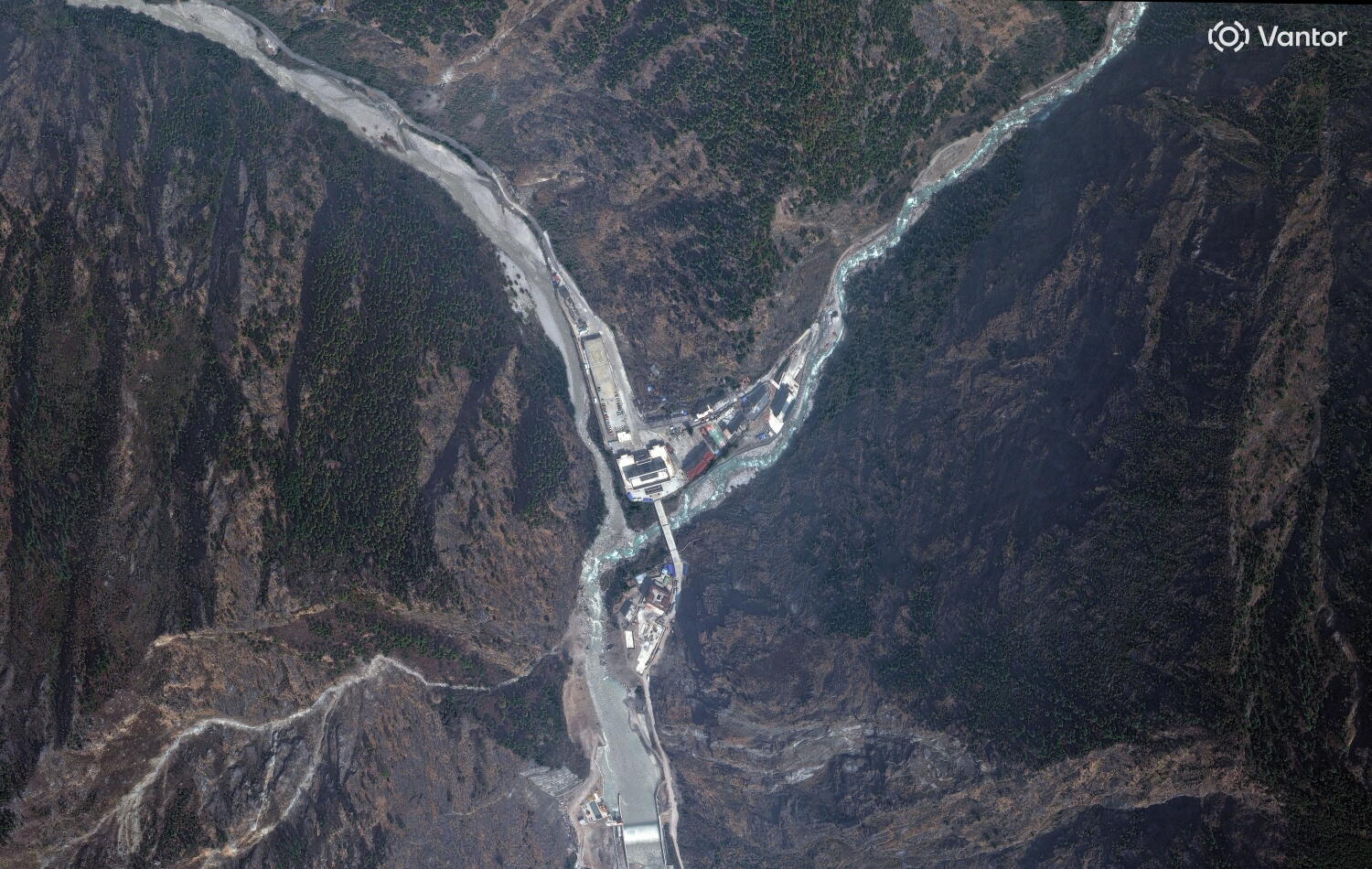
Satellite images reveal devastation from flash floods in Nepal and impacts in China
Satellite images released by multiple outlets show the destruction caused by flash floods affecting Nepal this week. The...