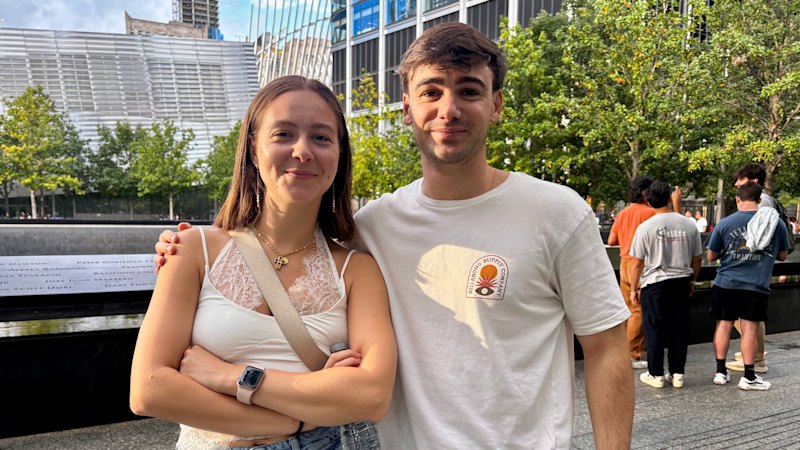
After 25 years since the September 11 attacks, a large share of Americans report having no personal memory of the day, and some outlets say that lack of firsthand recollection can make conspiracy narratives more appealing.
The articles frame the issue in the broader context of how information spreads online. They argue that, for people who were not old enough to remember 11 September, social media can amplify disinformation and mistrust, potentially filling gaps with alternative explanations. Across the sources, the central focus is not on whether the conspiracy claims are true, but on the vulnerability created when people rely on accounts they did not experience directly.
While the outlets largely align on the risk factor—absence of firsthand memory—their wording emphasizes the same theme: in a media environment marked by misinformation, people who cannot draw on personal recollection may be more exposed to claims that circulate widely.