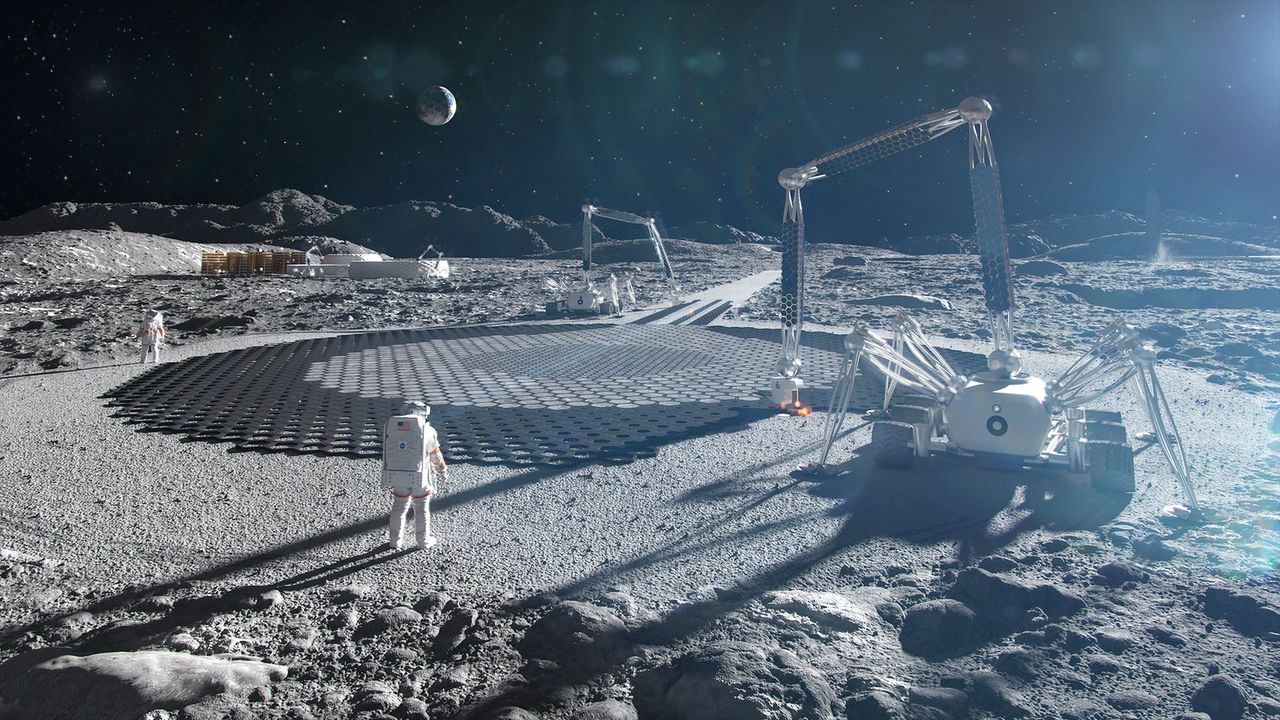
Scientists argue that plans for large, permanent lunar settlements may be constrained by how much usable water exists and how easily it can be accessed. They point to findings that water or water-bearing compounds appear in dark craters near the Moon’s poles, which has fueled interest in building bases there.
Multiple outlets describe a broader “moon rush” that starts with establishing outposts and then expands toward villages, cities, and heavy industry. The debate focuses on whether the polar resources—especially water that could support life support and fuel production—are sufficient to sustain that growth. While the discovery has made lunar polar regions a priority for exploration, the outlets emphasize that turning potential water deposits into reliable, scalable supply remains a key challenge.
Across coverage, the main angle is caution: optimism about polar water is tempered by questions about overall sustainability. Rather than assessing one specific project, the discussion centers on the feasibility of moving from early bases to full urban-scale development without workable water logistics.