


A study examining wildlife around Jackson Hole, Wyoming, finds that animals do not simply avoid heavily used areas or get pushed into a “sacrifice zone,” despite intense human recreation. Researchers look at conditions near the region’s most popular trails, which receive frequent use from visitors engaging in activities such as hiking and other outdoor recreation. Rather than documenting complete displacement, the study reports evidence of coexistence, suggesting that wildlife continues to use areas close to busy trail networks. The research frames the question as whether high foot traffic and associated human presence reduce habitat quality to a point where wildlife is disproportionately harmed in a concentrated zone. Across sources covering the same study, the core finding is that wildlife presence persists even near the busiest trails, indicating tolerance or adaptation rather than exclusive avoidance. The study’s conclusions emphasize that coexistence is possible in heavily visited landscapes, though they do not suggest human impacts are absent. Overall, the reporting highlights the study’s focus on balancing conservation concerns with the realities of frequent recreation in and around Jackson Hole.
Study finds wildlife coexists with heavy recreation on Jackson Hole’s busiest trails
A study examining wildlife around Jackson Hole, Wyoming, finds that animals do not simply avoid heavily used areas or get pushed into a “sacrifice zone,” despite intense human recreation. Researchers...
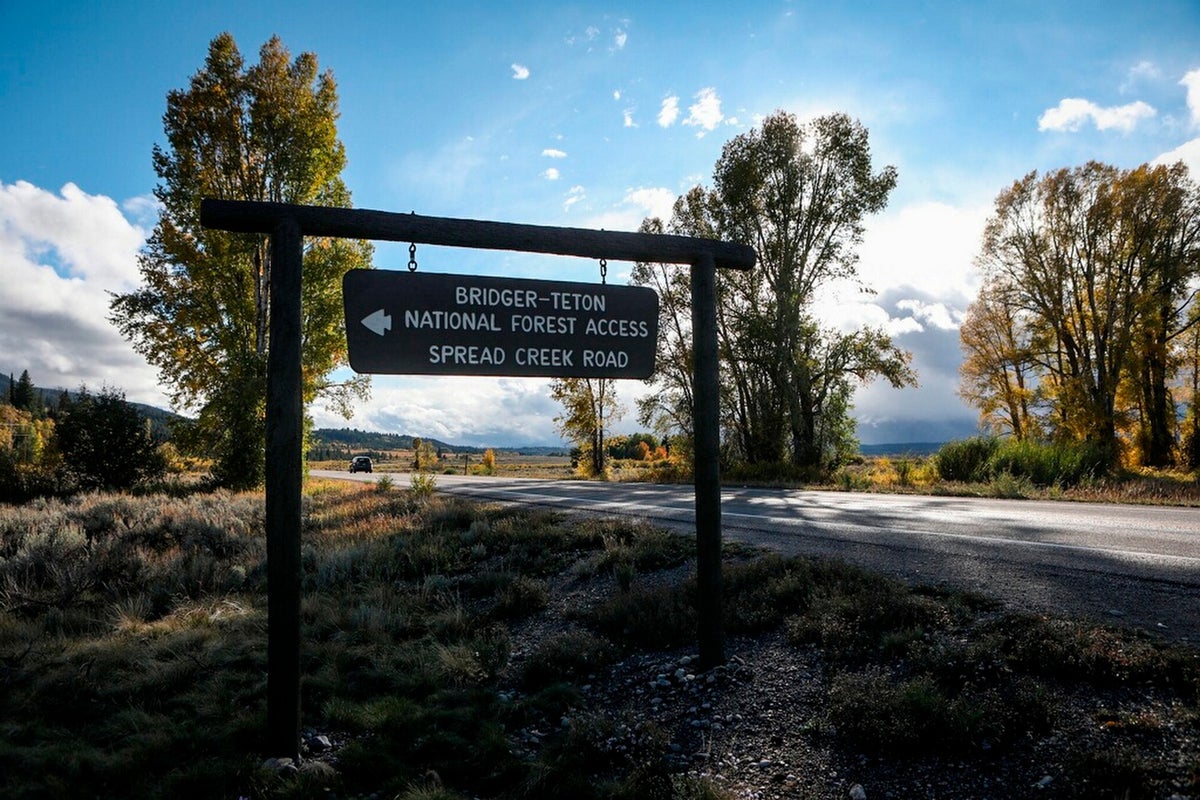
- Researchers study wildlife behavior and presence around Jackson Hole’s busiest trails in Wyoming.
- The area receives frequent human recreation from visitors using popular trail networks.
- The study finds evidence of wildlife continuing to use areas near heavily used trails.
- Findings do not support the idea that wildlife is only confined to a “sacrifice zone.”
- The research frames coexistence as possible in landscapes with high levels of human activity.
Researchers have found that wildlife near Jackson, Wyoming, coexists with heavy human recreation
3 months ago
Glacier collapse in Himalayas triggers Nepal-Tibet floods, experts say
Catastrophic floods sweeping across parts of Nepal and Tibet are widely attributed to the collapse of a glacier. Multipl...
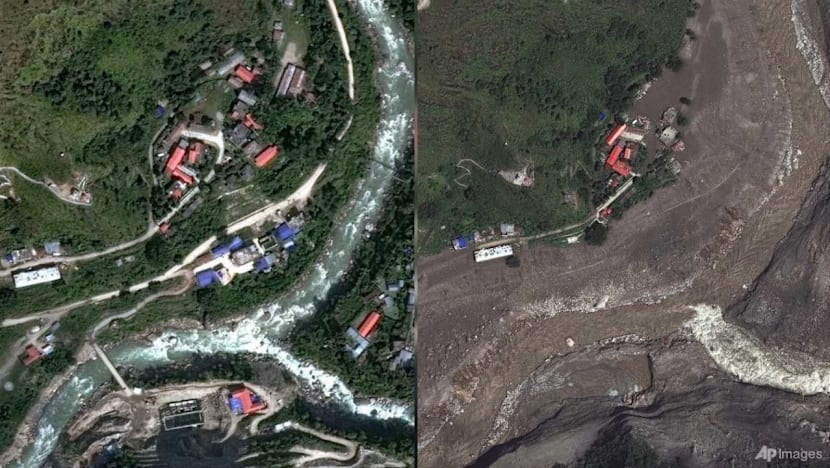
Satellite images examined after bedrock and glacier collapse triggers flooding on Nepal-China border
Catastrophic flooding along the Nepal–China border prompts an investigation into its cause after satellite images sugges...

USGS says Nepal flash floods were triggered by glacial collapse, not an earthquake
Flash floods in Nepal are reported to have been triggered by a glacial collapse and subsequent debris flow, not an earth...