/file/attachments/orphans/14256234_115985.jpg)
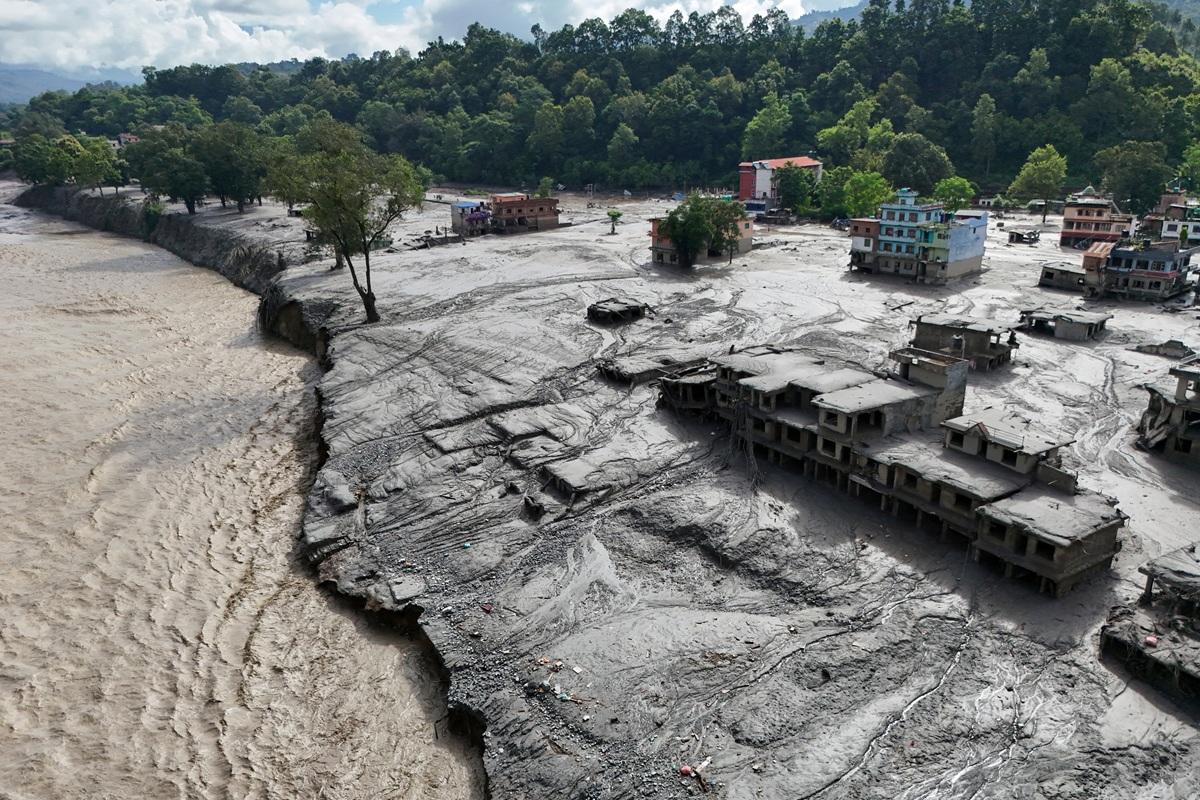
A catastrophic glacier collapse in late August floods parts of Nepal and Tibet, killing about 1,400 people and leaving thousands missing. Scientists cited evidence that current climate trends have made conditions more favorable for such a collapse, Reuters reported.
Researchers say rising temperatures over time contribute to glacier instability. They point to glacier thinning, warming that increases melt, thawing of permafrost, and the presence of excess meltwater. Together, these processes can weaken ice and slopes and raise the likelihood of a sudden failure.
Both outlets frame the scientists’ assessment as “highly likely” climate-related influence, rather than a single, sole cause. The reporting emphasizes the mechanism by which warming can intensify meltwater and destabilize glacier-related terrain, while the exact local trigger of the collapse is not specified in the available summaries.