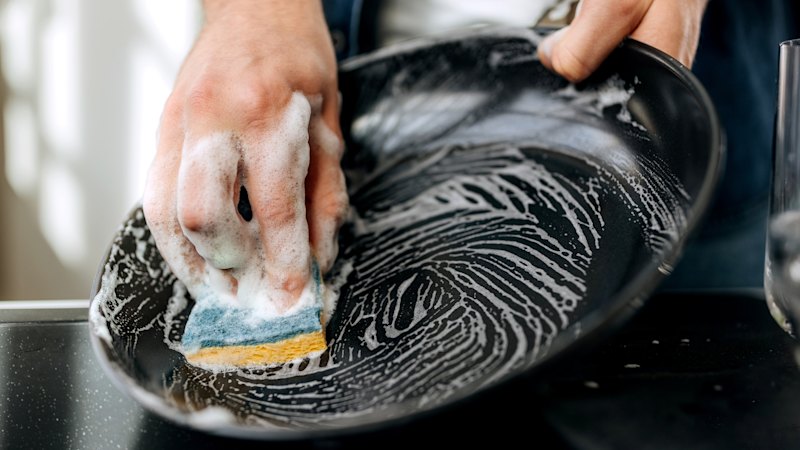
The World Health Organization recommends that people avoid using dish sponges to clean plates, utensils and other items that come into contact with food. The guidance highlights concerns that sponges can retain moisture and food residue, which may allow harmful microbes to survive and multiply rather than being removed.
Outlets including the Brisbane Times, Sydney Morning Herald and The Age report on the same WHO message and explain that sponges are difficult to keep consistently clean and sanitary. While each article uses similar framing, they focus on the practical implications for everyday kitchen cleaning and what alternatives might be used instead to reduce the risk of contamination.
Together, the articles present the WHO advice as a food-safety measure and point readers toward more hygienic cleaning approaches. The coverage does not suggest that dish sponges always cause illness, but it emphasizes that their conditions in typical use—dampness and frequent contact with dirty items—make them less reliable for maintaining hygiene in the kitchen.