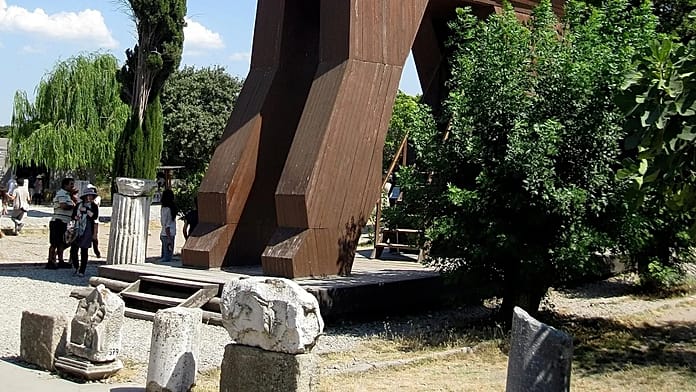
Archaeologists working at Hisarlik hill in north-western Turkey uncover what they describe as the oldest agora at the ancient site of Troy, dating to roughly 2,800 years ago. The discovery is presented as new evidence about how the city develops after the period traditionally associated with the Trojan War.
The outlets report that the findings indicate Troy is resettled about 80–90 years after the war-related timeframe rather than being left uninhabited for centuries. This challenges older interpretations that suggested a long abandonment period before later groups, including the Aeolians, arrive.
The reporting focuses on the archaeological implications of the public square’s date and context. While details of the wider excavation results are not specified across the provided sources, the common thrust is that the agora’s age and associated settlement evidence shift the timeline for Troy’s continuity and reuse after the conflict era.