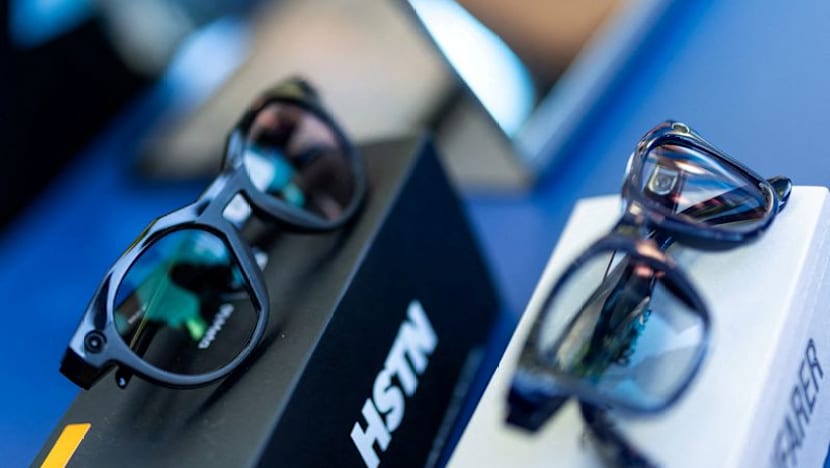
Companies are promoting new wearable technologies—such as smart glasses and “AI pins”—but privacy concerns increasingly shape how they are adopted. Reports note that Meta’s smart glasses face legal challenges related to privacy, and some venues restrict or ban their use.
Across outlets, the debate centers on whether cameras and associated features undermine personal privacy in public and private spaces. While Meta’s devices have been associated with ongoing privacy lawsuits and restrictions, other firms are attempting to compete by emphasizing camera-free or less conspicuous designs for similar AI- and assistance-focused functions. The coverage frames this as a broader test of whether next-generation wearable tech can scale in settings where bystanders expect limits on recording.
The differing angles reflect a tension between product makers’ claims about utility and safeguards, and critics’ concerns about consent, visibility, and data capture. Together, the reports suggest privacy policies, litigation, and venue rules are becoming key factors influencing the direction of wearable hardware development and market acceptance.