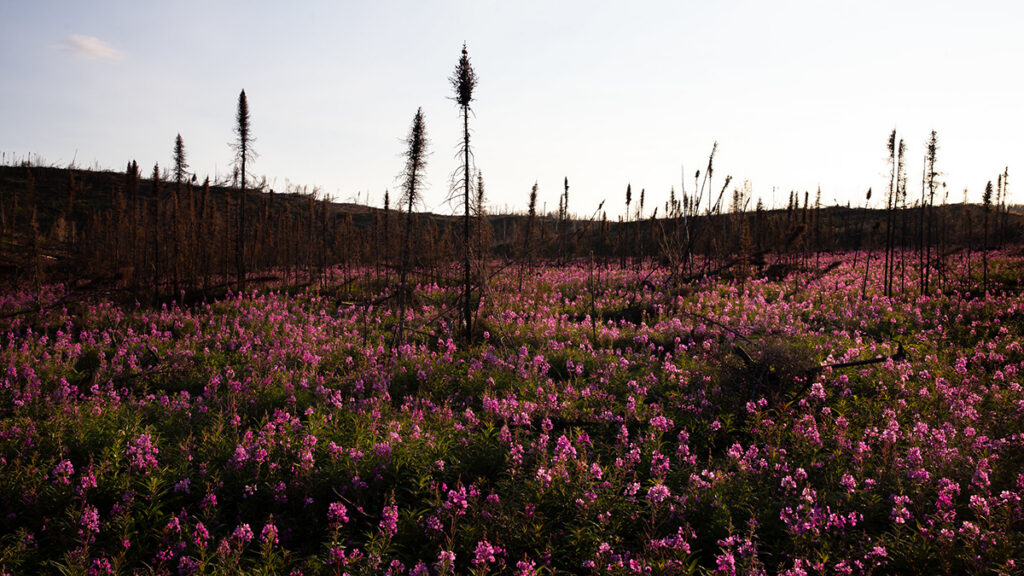
Wildfires in Alaska’s boreal forests help shape future fire behavior through a vegetation feedback loop. After fires clear mature, more flammable forest stands, the area regrows with younger vegetation that is less flammable, temporarily suppressing the likelihood and spread of subsequent burns.
Researchers report that this pattern can reduce future fire activity substantially. One estimate highlighted by Eos (AGU Earth Science) says that without the suppressive effects of younger vegetation, Alaskan fire activity could be about five times higher. Both outlets also note, however, that the strength and persistence of this “negative feedback” are not fully understood.
Phys.org adds that scientists are uncertain how reliably the feedback will hold as climate change alters temperature, precipitation, and the pace and character of regrowth. As warming progresses, shifts in forest recovery and fuel conditions could weaken or modify the relationship between wildfires and future fire suppression.