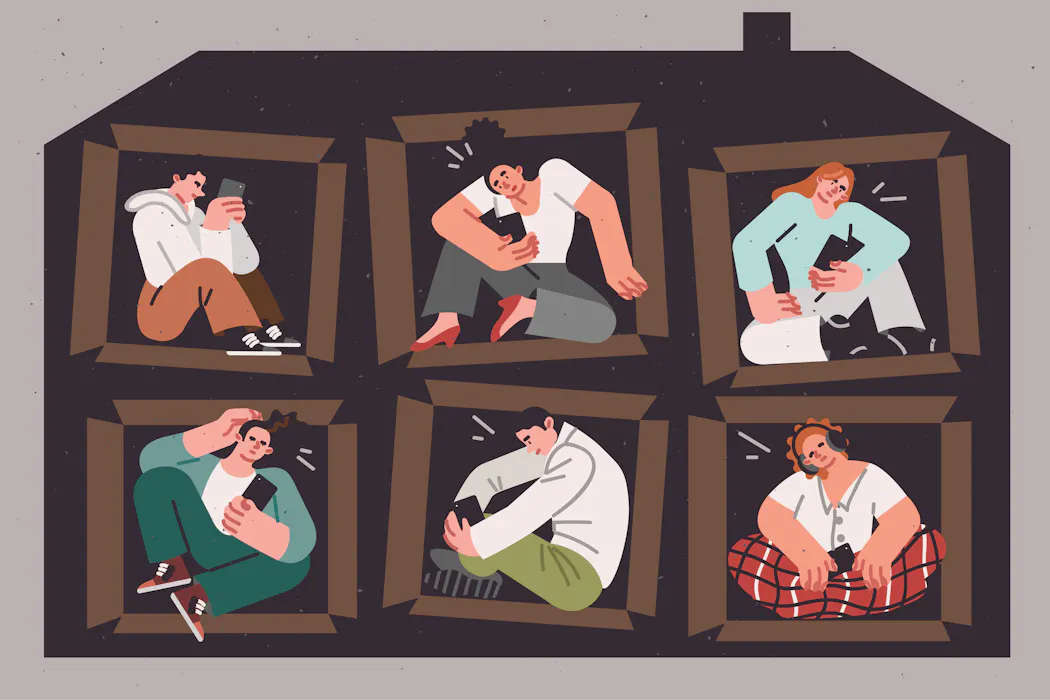
A professor who teaches about friendship uses course activities to help lonely college students notice and build connections through ordinary, everyday moments. The approach focuses on practical engagement rather than only discussion.
Across the reports, the course includes teaching students about the biology and sociology of friendship and then testing those ideas in real life. Students are assigned to interact with a peer—such as by eating a meal together—and then record and reflect on what they experience. This blend of classroom content and structured peer contact is presented as a way to make friendship-building more tangible.
The two outlets largely align on the core method: learning about friendship through academic concepts while also practicing it through repeated, routine social moments. While one outlet foregrounds the professor’s classroom experience and the idea of creating a comfortable environment for students, the other emphasizes the specific learning components—study of friendship research plus an exercise that tracks students’ outcomes after meeting with peers.