


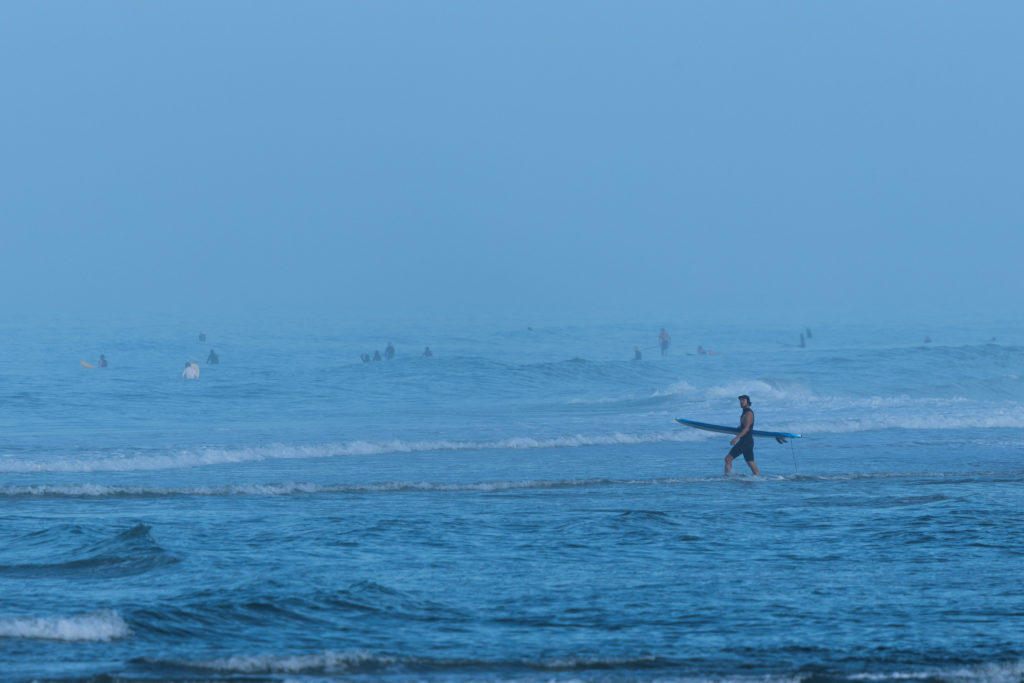
A series of ocean Kelvin waves—large bulges of water that move along the coast—raises sea levels along parts of the U.S. West Coast as they travel north. Unlike tsunamis, Kelvin waves do not behave like breaking waves that curl and crash on shore. Instead, they can lift the ocean surface locally as they pass, similar to the way water sloshes in a bathtub during an earthquake.
Outlets report that the sea-level increase is expected to begin this month, with estimates of rises reaching up to about a foot in some locations. Coverage highlights potential impacts such as coastal flooding and beach erosion, particularly in areas already affected by higher baseline sea levels linked to climate change. Some reports connect the timing to broader ocean conditions that include El Niño, which can influence sea-surface patterns and coastal water levels.
The accounts align on the basic explanation of Kelvin waves and the general direction of concern—rising coastal water levels and related shoreline risks—while emphasizing different aspects such as how the waves form and the magnitude and local effects expected as they reach shore.


