


Food safety around plants develops from recognizing that some parts of otherwise familiar species can contain natural chemicals that harm people. Multiple sources note that green potatoes and rhubarb leaves are examples of foods that appear edible but can be dangerous. Green potatoes contain toxins linked to exposure of the tuber to light, and rhubarb leaves contain chemical compounds that can make humans sick, even though rhubarb stems are commonly eaten. The shared message is that plant edibility is not determined only by appearance or by belonging to a known plant, but also by which specific part is consumed. Over time, learning about plant safety comes from knowledge of plant chemistry, observation of illness, and research that identifies toxic compounds and explains why certain plant components cause harm. As a result, guidance emerges for which plant parts to avoid and which parts are safe, such as warning people not to eat green portions of potatoes and not to consume rhubarb leaves.
Food scientists explain how humans learned which plants are safe to eat
Food safety around plants develops from recognizing that some parts of otherwise familiar species can contain natural chemicals that harm people. Multiple sources note that green potatoes and rhubarb...
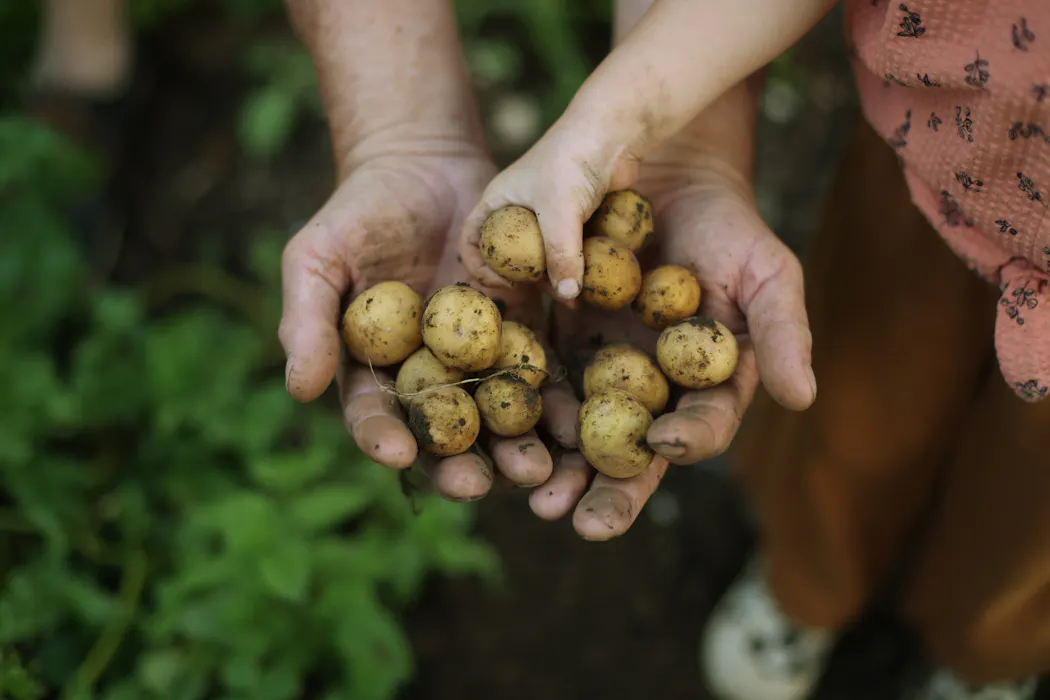
- Green potatoes can contain toxins that make people sick.
- Rhubarb leaves contain chemicals that can cause illness.
- The safety of eating depends on which part of a plant is consumed, not just the plant species.
- Natural plant toxins can be present even in foods that may look edible.
Have you ever eaten a green potato, or a bunch of rhubarb leaves? Hopefully not, because these two plant parts can be toxic to humans. While they may seem edible, they contain chemicals that can make you seriously ill.
3 months agoYou might know to steer clear of green potatoes and rhubarb leaves. That’s because they produce toxins that can make humans sick.
3 months ago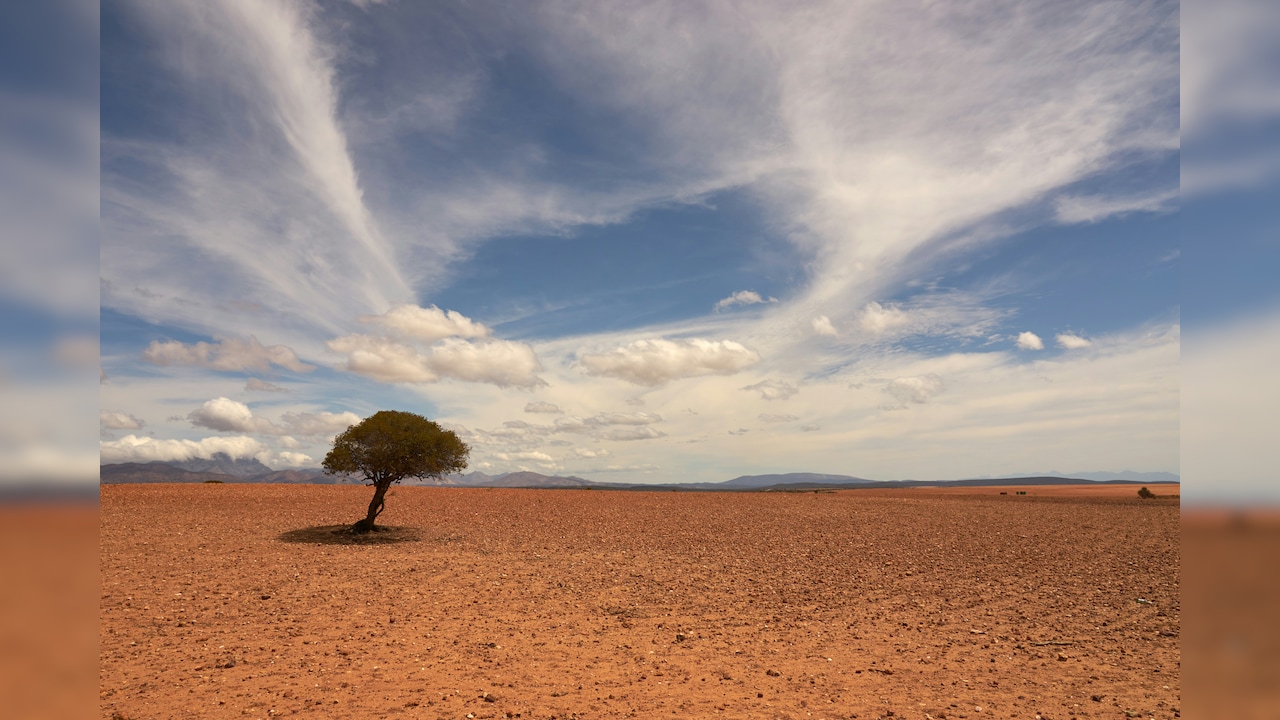
El Niño officially begins, forecasts point to one of the strongest on record
El Niño has started in the tropical Pacific and forecasters say it is likely to strengthen further, with several agencie...
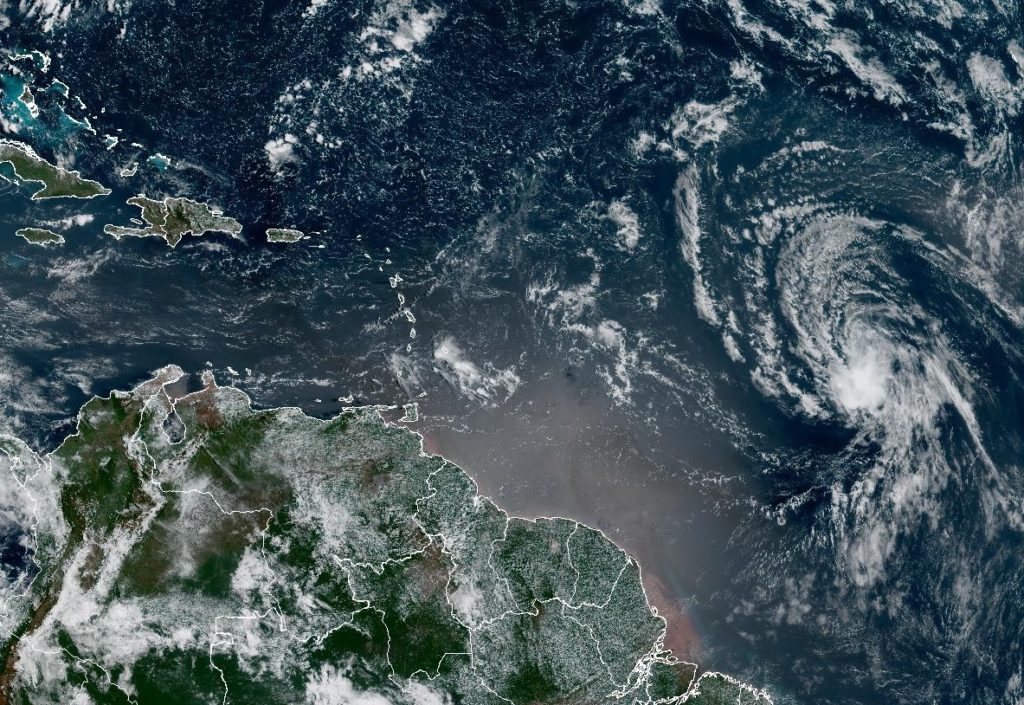
Tropical Storm Dolly forms in the Atlantic, the fourth named storm of 2026
Tropical Storm Dolly forms in the Atlantic Ocean, becoming the fourth named storm of the 2026 Atlantic hurricane season....
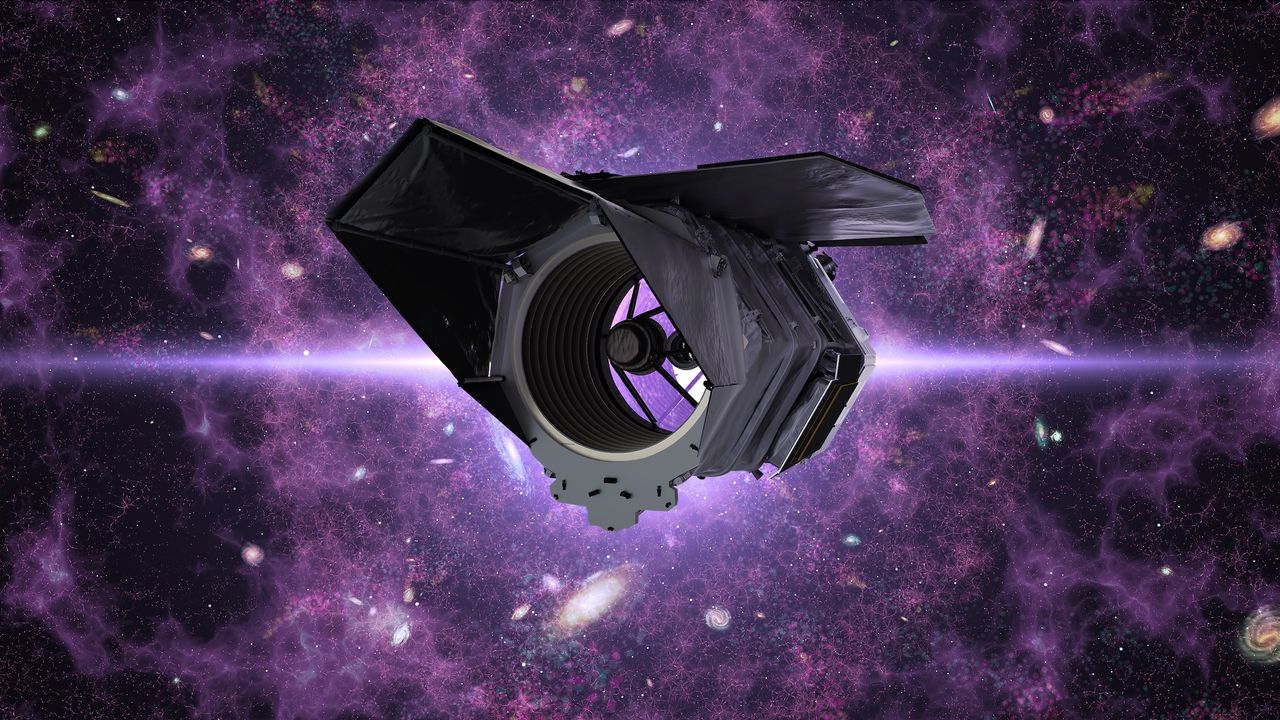
Nancy Grace Roman Space Telescope set for Aug. 30 launch aboard SpaceX Falcon Heavy
NASA prepares to launch the Nancy Grace Roman Space Telescope on Sunday, Aug. 30, 2026, as the agency’s next-generation...