


Researchers analyzing microscopic residues on Ming dynasty-era surgical instruments report evidence consistent with the controlled topical application of a highly toxic chemical used as an anesthetic. The findings come from surgical scissors and tweezers recovered from a tomb dated to the 14th to early 15th century (1348–1411 CE) in Jiangyin, China. Using chemical and residue analysis, the teams identify traces on the tools that they interpret as the first direct evidence of an anesthetic effect from this period, rather than incidental contamination. Both outlets describe the chemical as derived from a toxic plant used in traditional Chinese medical practice, and they characterize the pattern of residues as indicating deliberate, localized use on instruments, which implies a degree of control in application. The researchers conclude that the discovery adds to historical understanding of medical sophistication during the Ming dynasty and extends the timeline for chemical evidence of topical anesthetics. The report emphasizes that the evidence is based on tool residue analysis, which reconstructs past use through chemical traces rather than direct observation.
Residue on Ming-era surgical tools suggests oldest known topical anesthetic use
Researchers analyzing microscopic residues on Ming dynasty-era surgical instruments report evidence consistent with the controlled topical application of a highly toxic chemical used as an anesthetic....
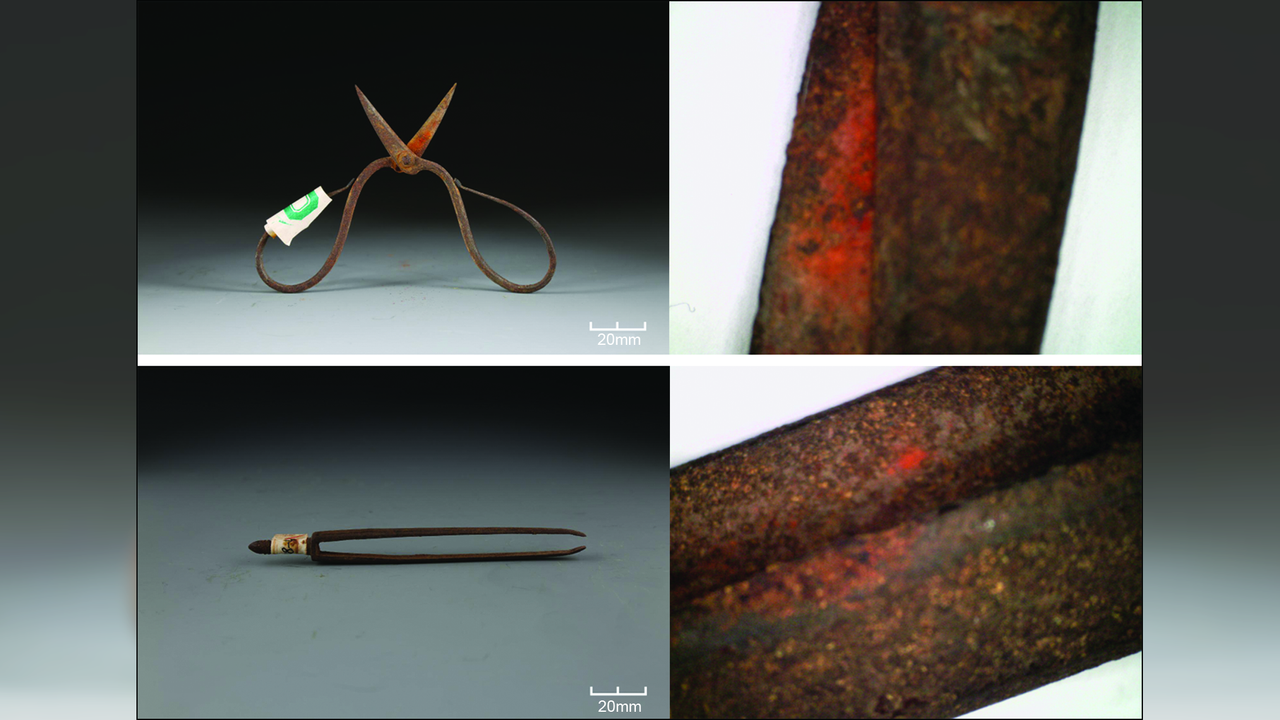
- Chemical residues are found on Ming dynasty-era surgical scissors and tweezers dated to 1348–1411 CE.
- The residues are interpreted as evidence of a controlled topical anesthetic use.
- The anesthetic is linked to a highly toxic plant-derived substance used in Chinese medicine.
- The study is described as the first direct chemical evidence for such an anesthetic application in this historical period.
- The findings come from an archaeological tomb site in Jiangyin, China.
An analysis of residue on centuries-old surgical tools reveals the use of a toxic anesthetic in Ming dynasty-era Chinese medicine.
3 months agoMicroscopic analysis of residues on surgical scissors and tweezers from a 1348–1411 CE tomb in Jiangyin, China, finds the first evidence for the controlled application of a highly toxic chemical as anesthetic, highlighting the sophisticated medicine of the Ming dynasty.
3 months ago
Glacier collapse in Himalayas triggers Nepal-Tibet floods, experts say
Catastrophic floods sweeping across parts of Nepal and Tibet are widely attributed to the collapse of a glacier. Multipl...

Satellite images examined after bedrock and glacier collapse triggers flooding on Nepal-China border
Catastrophic flooding along the Nepal–China border prompts an investigation into its cause after satellite images sugges...

Serbia plans state-honours funeral for convicted war criminal Ratko Mladić
Serbia plans to arrange the funeral of convicted Bosnian Serb general Ratko Mladić, including transporting his body from...