India’s pre-monsoon summers are increasingly marked by hotter nights, according to reporting that links the trend to climate change and local conditions. One outlet notes that for eight of the past 10 years, average minimum temperatures during March to May—used as an indicator of nighttime heat—have been higher than the long-term average. Another outlet adds that while very hot days have long been a climate warning, hotter nights are now becoming a more immediate concern for people and infrastructure.
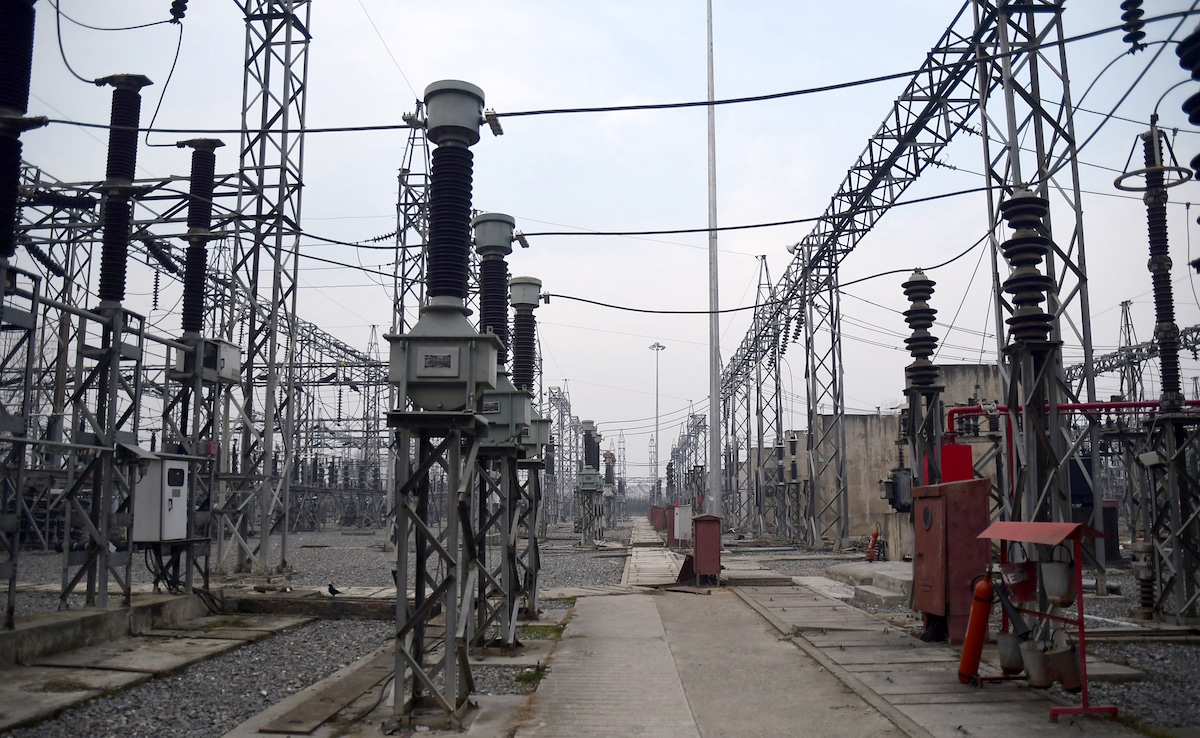
As nighttime temperatures stay elevated, demand for electricity for cooling rises, placing additional stress on the power grid. Both accounts describe how the combination of persistent heat and warming trends increases exposure for residents, particularly in urban areas where heat can be intensified by planning and built environments. The reports also highlight health concerns associated with extreme heat conditions, which can worsen risks for vulnerable groups during periods when temperatures do not drop enough to provide relief overnight. The coverage frames the developments as an emerging and worsening challenge during the March-to-May period.